When your Wi-Fi upload speed drops, everything becomes painful. Sending files lags, video calls freeze, cloud backups stall, and work slows down. Many users search for ways to fix Wi-Fi slow upload speed because the issue affects daily tasks. Fortunately, most causes are simple to diagnose and easy to repair once you understand what creates bottlenecks. This guide walks you through practical, real-world methods that truly work.
Understanding Why Upload Speed Drops
Slow upload speed is usually a sign of interference, network congestion, outdated hardware, or incorrect settings. Since upload processes send data from your device to the internet, any weakness in the upstream path becomes noticeable. Even small misconfigurations can reduce performance, so it helps to understand the most common issues before trying to fix Wi-Fi slow upload speed.
How Upload Speed Differs from Download Speed
Many users wonder why download speed usually appears faster. Most service providers prioritize it because people stream, browse, and download more often than they upload. This asymmetry means your upload bandwidth might be limited by default. Still, you should not experience extremely slow speeds, and if you do, there are reliable steps to improve them.
Checking Your Actual Upload Speed First
Before changing anything, confirm your real performance. Run a trusted online speed test and compare it with your plan’s advertised rates. If your results fall far below the expected range, you are ready to begin troubleshooting. Always test at different times because network congestion during peak evening hours can temporarily lower upload speed.
Inspecting Router Placement and Environmental Interference
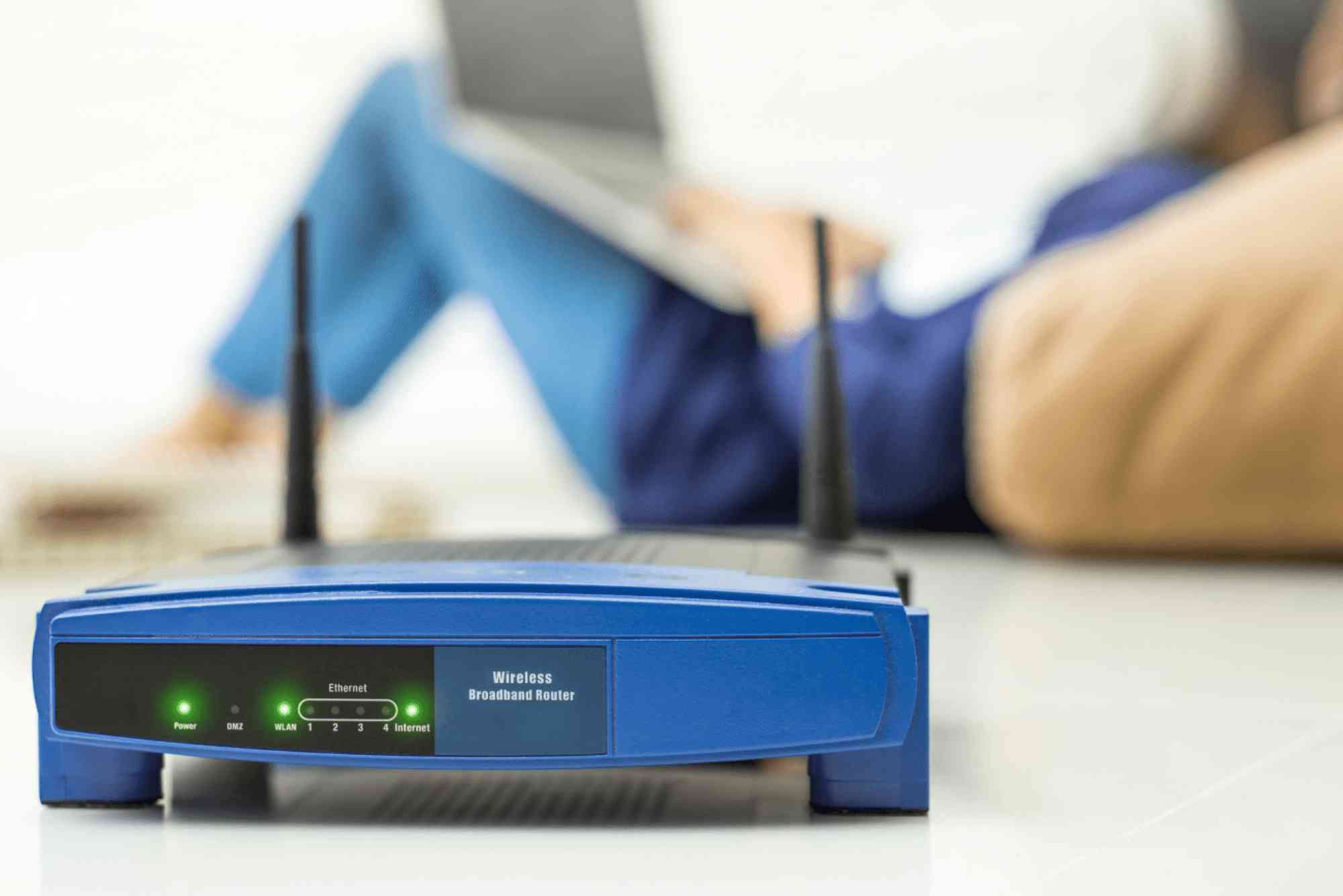
Few people realize how much physical placement affects performance. Thick walls, large appliances, and crowded rooms interfere with the Wi-Fi signal. When the signal weakens, upload processes struggle to send data consistently. Moving your router to a central, elevated, open area often brings instant improvement. Heat sources, mirrors, and water tanks also reduce signal quality, so position the router away from them whenever possible.
Updating Router Firmware for Better Stability
Router firmware controls how your device communicates with your network. When it’s outdated, it may cause slow uploads, dropped packets, or random disconnects. Visit your router’s settings page, check for updates, and apply them. Manufacturers frequently release updates that fix security issues and improve performance. A simple update can completely fix Wi-Fi slow upload speed if the cause is software related.
Restarting Devices to Clear Hidden Conflicts
It sounds simple, but restarting the router and modem works because it clears cached data, resets network channels, and resolves bandwidth conflicts. Turn them off for at least thirty seconds so the system fully resets. Also restart your computer or phone. Temporary conflicts sometimes accumulate in the background, and a reboot wipes them clean.
Verifying Your Internet Plan’s Upload Capacity
Many users subscribe to plans that emphasize download speed at the expense of upload speed. If you are consistently hitting the ceiling of your plan’s limits, you may need to upgrade. This is especially true if you upload large video files, stream gameplay, or use cloud-based apps for work. If you live in a busy household, several devices uploading at once can also saturate your connection.
Checking for Background Upload Activity
Modern apps often upload data silently in the background. Cloud backups, auto-sync features, and collaborative software can consume upload bandwidth without asking. Check your device settings and pause any unnecessary tasks. When too many services upload at the same time, everything slows down, especially video calls, online meetings, and live streaming.
Examining Device Drivers and Wi-Fi Adapters
Slow upload speeds sometimes originate from outdated wireless drivers. Updating network drivers ensures your computer can communicate with the router efficiently. Laptops with older Wi-Fi adapters may also struggle with modern speeds. If your device supports Wi-Fi 6 or later, you will notice a much smoother and faster upload experience.
Testing with a Wired Connection to Identify the Cause
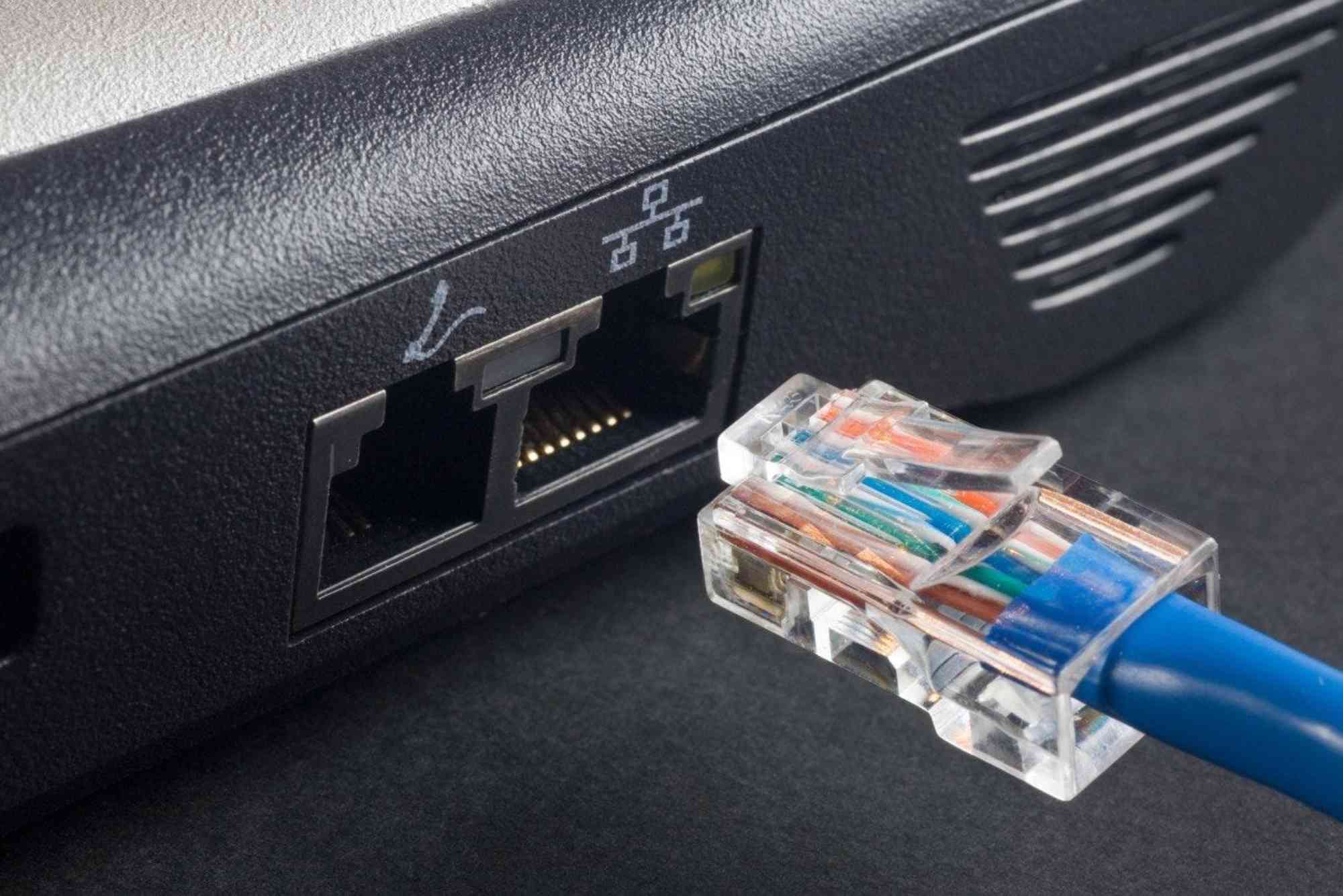
Connecting your device to the router using an Ethernet cable helps isolate the source of the problem. If the upload speed becomes fast through the wired connection, you know the issue lies with the Wi-Fi signal or device interference. If the upload problem persists even with wired access, the issue is likely with your service provider or modem.
Minimizing Congestion from Multiple Users
When many devices share the same network, the upload channel becomes crowded. Video calls, game uploads, and security cameras all compete for space. Restricting heavy uploads during important tasks or assigning priority settings in your router can reduce delays. Some routers include QoS (Quality of Service) controls that allow you to prioritize specific devices or apps.
Resetting Your Router to Default Settings
If slow upload speed persists, your router may have corrupted settings. Performing a factory reset returns everything to default and eliminates hidden conflicts. After resetting, configure your Wi-Fi name and password again, and reconnect your devices. This step often resolves performance issues that developed over time.
Assessing Your Modem’s Condition
Sometimes the modem—not the router—is responsible for slow uploads. Internet service providers update their network technology over time, and older modems struggle to keep up. If your modem is more than five years old, consider replacing it. Newer models support faster upstream speeds and handle congestion better.
Interference from Neighboring Networks
In crowded areas such as apartments, multiple Wi-Fi networks operate on similar frequencies. This overlap causes interference that slows upload speed. Changing your router’s channel or switching from 2.4 GHz to 5 GHz significantly reduces congestion. The 5 GHz band offers faster speed and less interference, though it has shorter range.
Checking If Your ISP Is Throttling Upload Speed
Service providers sometimes reduce upload performance during heavy usage periods. If your speed drops at specific hours, this may be the cause. Contact your provider and ask if there are known issues or maintenance activities in your area. If throttling becomes persistent, switching to a more reliable provider may be necessary.
Scanning for Malware That Consumes Upload Bandwidth
Certain malware programs consume bandwidth by sending data in the background. Run a full system scan to detect anything suspicious. Removing malware helps recover upload speed and enhances overall security.
Why Cloud Services Often Expose Upload Problems
Platforms like Google Drive, iCloud, and OneDrive rely heavily on upload speed. Large files or batches of photos slow down if your connection is weak. Reducing file size, pausing other uploads, or uploading during non-peak hours often speeds up the process.
When a Mesh Wi-Fi System Helps
Large homes with many rooms often experience weak signal areas where upload speeds drop. A mesh system extends Wi-Fi coverage and stabilizes upload performance across the entire space. These systems create a unified network that delivers consistent results even in distant rooms.
Considering Professional Assistance
If you still cannot fix Wi-Fi slow upload speed, you may benefit from expert help. Professional technicians can analyze your network layout, measure real-world interference, and adjust advanced settings. If you need a trusted provider, you can explore options like Dhanote Internet Services at for reliable connectivity solutions.
Frequently Asked Questions (People Also Ask)
Why is my upload speed so slow even with fast internet?
Upload speed often suffers due to outdated routers, weak Wi-Fi signals, interference, or ISP limitations. Even fast plans may prioritize downloads over uploads.
How do I fix slow upload speed on my router?
You can improve performance by updating firmware, moving the router to an open area, switching Wi-Fi channels, or resetting the device to default settings.
Does Wi-Fi affect upload speed more than download speed?
Wi-Fi instability usually impacts upload speed more because upstream signals require stronger consistency to transmit data effectively.
Why is my upload speed fast on Ethernet but slow on Wi-Fi?
This difference indicates wireless interference, poor router placement, or outdated Wi-Fi hardware. Ethernet offers a stable, direct connection, which Wi-Fi cannot always match.
Can too many devices slow down upload speed?
Yes. Multiple devices uploading files, videos, or backups at the same time compete for bandwidth, causing delays and unstable performance.
Start Improving Your Upload Speed Today
Fixing slow upload speed on Wi-Fi is achievable once you understand what reduces performance. From adjusting settings to upgrading hardware, each improvement brings you closer to a smooth, reliable connection. If you rely on fast uploads for work, school, or creative projects, start applying these steps today. For even better stability and long-term solutions, consider exploring professional options such as Dhanote Internet Services.