Experiencing the frustrating “Wi-Fi no internet limited access” error can disrupt your workflow, streaming, or online gaming. This common problem happens when your device connects to the network but cannot access the internet. Understanding the causes and implementing effective solutions can restore seamless connectivity. Whether you’re working from home or visiting places like Orange Theory Mountain View, these steps will help you troubleshoot the issue effectively.
Understanding the Wi-Fi No Internet Limited Access Error
When you see “limited access” on your Wi-Fi connection, it means your device successfully communicates with your router but fails to reach the internet. This could be due to issues with your router, your device settings, ISP disruptions, or interference from software or hardware. Identifying the exact cause is key to applying the correct solution.
Common Causes Behind Limited Internet Access
Router or Modem Glitches
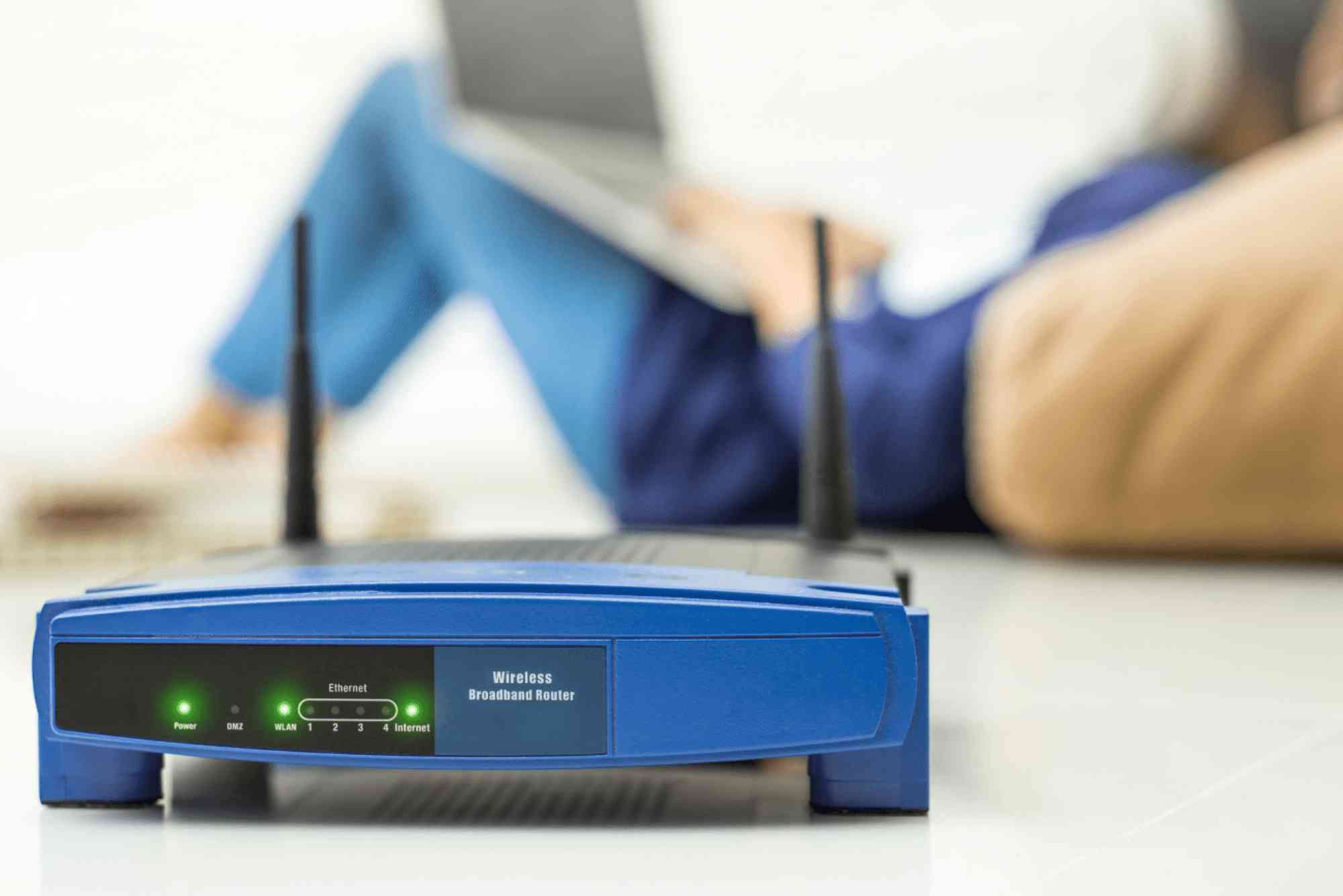
Sometimes, routers or modems temporarily fail to assign IP addresses correctly. Restarting your router often solves the problem instantly.
Incorrect Network Settings
Devices may have incorrect IP or DNS settings, causing the connection to appear active without internet access. Manually configuring network settings can resolve this.
ISP Outages
Your Internet Service Provider may face temporary outages or maintenance issues. Checking with your provider helps confirm whether the problem lies outside your network.
Software Conflicts
Firewall settings, antivirus programs, or VPN services may block internet access even when the Wi-Fi connection is strong. Temporarily disabling such programs can identify if they’re the culprit.
Hardware Interference
Physical obstacles or electronic devices can interfere with Wi-Fi signals, particularly in dense office spaces or urban areas like Mountain View. Ensuring your router is in an open space often improves connectivity.
How to Fix Wi-Fi No Internet Limited Access Error
Restart Your Network Devices
Begin with the simplest solution: power cycle your router and modem. Turn them off, wait 30 seconds, and turn them back on. This often resets internal configurations, resolving temporary glitches.
Check Your Device’s Network Settings
Open your network settings to ensure your device receives a valid IP address. Switching from a static IP to automatic IP assignment can restore internet access. For Windows, running the network troubleshooter provides guided fixes.
Update or Reinstall Network Drivers
Outdated drivers can prevent devices from connecting properly. Visit your device manufacturer’s website to download the latest network drivers or reinstall them to remove potential corrupt files.
Reset TCP/IP Stack
Resetting the TCP/IP stack often solves connectivity issues. For Windows, open Command Prompt as an administrator and type commands like to restore default network protocols.
Flush DNS Cache
Sometimes, DNS conflicts block websites from loading. Flushing the DNS cache clears stored records. On Windows, type ipconfig /flushdns in Command Prompt to refresh the DNS settings.
Disable VPNs or Firewalls Temporarily
VPNs or overly strict firewall settings may prevent internet access. Disable them temporarily to see if the connection improves, then adjust settings for safe browsing.
Check for ISP Issues
Contact your ISP to confirm there are no outages. Sometimes the limited access error appears even when your router and device are functioning correctly. Knowing this helps you avoid unnecessary troubleshooting.
Improve Signal Strength
Move closer to the router or remove physical obstructions to enhance Wi-Fi signal. High-interference areas or walls can weaken the signal and cause limited access notifications.
Advanced Solutions
If basic fixes don’t work, consider resetting your network configuration entirely. On Windows, navigate to Network & Internet settings and select Network Reset. For macOS, removing and re-adding the Wi-Fi network can resolve persistent issues. For more consistent connectivity, you might also invest in a modern router supporting higher bandwidth and multiple devices.
Maintaining Stable Wi-Fi Connections
Regular router updates, proper placement, and secure network settings can prevent recurring limited access errors. Avoid overloading your network with multiple devices simultaneously and ensure firmware updates are applied promptly. For business or high-demand environments like Orange Theory Mountain View, professional support can maintain optimal network performance. You can rely on providers like Dhanote Internet Services to assist with setup, troubleshooting, and maintenance.
FAQs About Wi-Fi Limited Access
Why does my Wi-Fi say no internet but still connect to the router?
This happens when your device communicates with the router but cannot reach the ISP due to incorrect settings, router issues, or ISP outages.
How do I fix limited access Wi-Fi on Windows 10?
You can restart your router, reset TCP/IP settings, update network drivers, or use the Windows Network Troubleshooter to resolve the issue.
Can antivirus software cause Wi-Fi limited access?
Yes, overly strict antivirus or firewall settings may block internet access. Temporarily disabling these programs helps determine if they are the cause.
Why does my phone say limited access but my laptop works fine?
Device-specific settings like static IPs, outdated drivers, or VPNs can block connectivity on certain devices while leaving others unaffected.
Is limited access caused by ISP problems?
Sometimes, ISP outages or maintenance lead to limited access, even if your network appears functional. Checking with your provider can confirm this.
The “Wi-Fi no internet limited access” error can be frustrating, but with the right approach, it is solvable. Start with simple solutions like restarting your router, checking network settings, and flushing the DNS. If the issue persists, advanced steps like updating drivers, resetting network configurations, or consulting your ISP may be necessary. Regular maintenance and professional support ensure stable, uninterrupted Wi-Fi, especially in high-demand areas like Orange Theory Mountain View.