How to Fix Wi-Fi Keeps Disconnecting on Windows 10
Experiencing frequent Wi-Fi drops on Windows 10 can be frustrating. Whether you’re working, streaming, or gaming, a disconnecting network disrupts productivity. The good news is, most issues can be resolved with simple troubleshooting steps. This guide will walk you through practical methods to fix Wi-Fi keeps disconnecting Windows 10 and ensure a stable connection.
Check Your Wi-Fi Network and Router
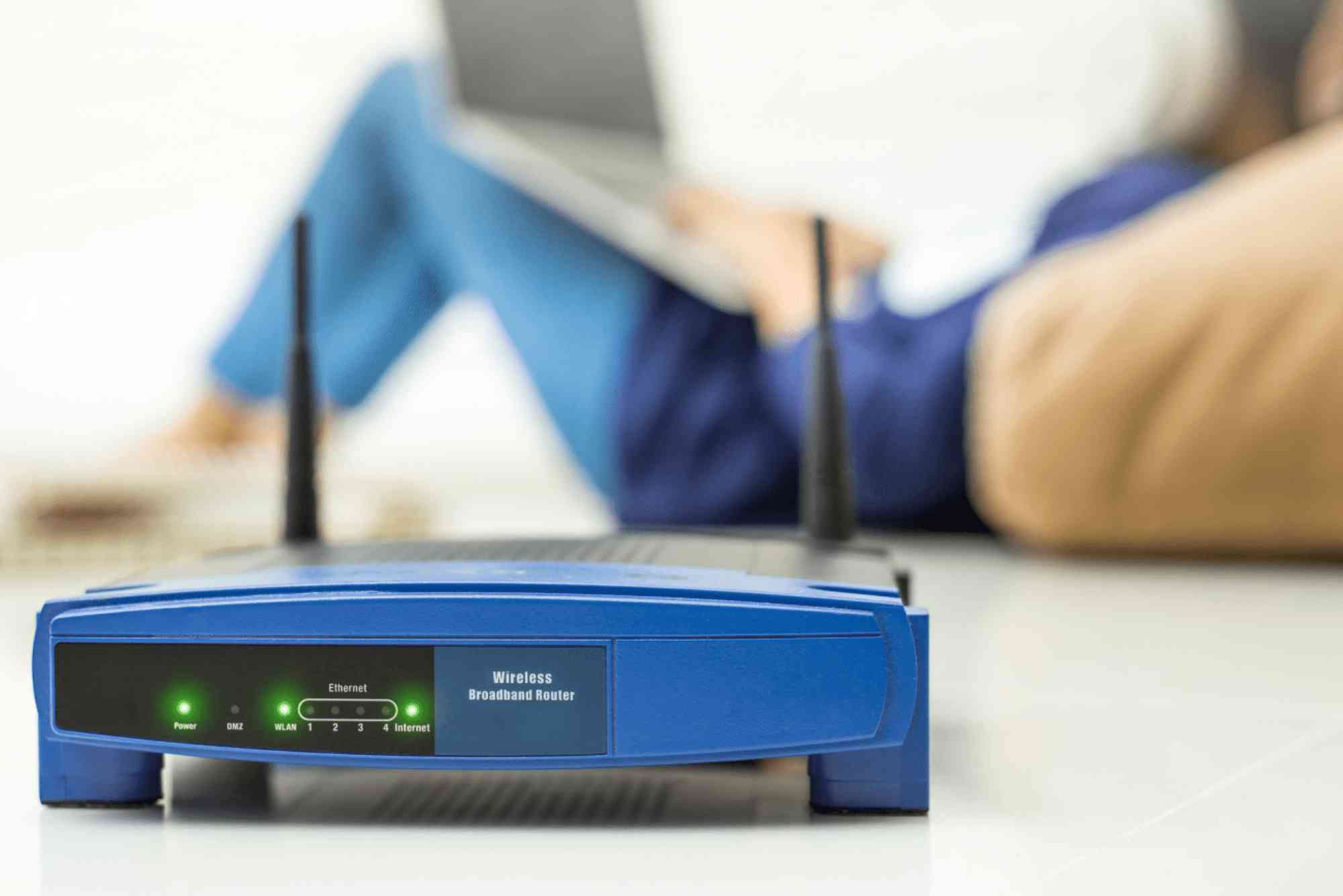
Restart Your Router
Often, connection drops happen due to temporary glitches in your router. Power off your router for 30 seconds and then restart it. This refreshes your network and clears minor errors.
Move Closer to the Router
Weak signal strength can cause Windows 10 Wi-Fi to disconnect. Ensure your device is within range and avoid obstacles like thick walls.
Update Router Firmware
Outdated router firmware may create connectivity problems. Check the manufacturer’s website for the latest firmware version and install updates.
Update Network Drivers
Use Device Manager
-
Press Windows + X and select Device Manager.
-
Expand “Network adapters” and find your Wi-Fi adapter.
-
Right-click it and choose “Update driver.”
-
Select “Search automatically for updated driver software.”
Download from Manufacturer
If Device Manager doesn’t find updates, visit your Wi-Fi adapter or laptop manufacturer’s site. Download and install the latest driver manually.
Rollback Drivers
Sometimes a new driver causes instability. In Device Manager, select your adapter, click Properties, and choose “Roll Back Driver” if available.
Adjust Power Management Settings
Windows 10 often disconnects Wi-Fi to save power. Changing settings can prevent this.
-
Open Device Manager and locate your Wi-Fi adapter.
-
Right-click and select Properties.
-
Go to the Power Management tab.
-
Uncheck “Allow the computer to turn off this device to save power.”
Additionally, in Power Options:
-
Open Control Panel > Power Options.
-
Click “Change plan settings” for your active plan.
-
Select “Change advanced power settings.”
-
Expand “Wireless Adapter Settings” > “Power Saving Mode” and set it to Maximum Performance.
Reset Network Settings
Resetting network settings can resolve stubborn issues.
-
Open Settings > Network & Internet > Status.
-
Scroll down and click “Network reset.”
-
Confirm and restart your PC.
This will remove all network adapters and reinstall them. You’ll need to reconnect to your Wi-Fi afterwards.
Disable Wi-Fi Sense and Automatic Switching
Windows 10 may switch networks automatically or use Wi-Fi Sense features that interfere.
-
Open Settings > Network & Internet > Wi-Fi.
-
Turn off “Connect to suggested open hotspots” and “Connect to networks shared by my contacts.”
-
Disable automatic switching to mobile hotspots if enabled.
Troubleshoot Using Windows Tools
Run the Network Troubleshooter
-
Open Settings > Update & Security > Troubleshoot.
-
Click “Additional troubleshooters.”
-
Select “Internet Connections” > Run the troubleshooter.
This tool automatically detects and fixes common Wi-Fi problems.
Use Command Prompt Commands
Open Command Prompt as Administrator and try these commands:
-
ipconfig /release -
ipconfig /renew -
ipconfig /flushdns
These commands refresh your IP address and DNS cache, resolving connectivity conflicts.
Disable Background Apps Interfering with Wi-Fi
Some apps and antivirus programs can interfere with Wi-Fi. Temporarily disable third-party antivirus software and VPNs. Observe if connectivity improves. If it does, consider updating or replacing the software.
Use Static IP Instead of Dynamic IP
Dynamic IP conflicts may cause frequent disconnections. Assigning a static IP can stabilize your connection.
-
Open Control Panel > Network and Sharing Center > Change adapter settings.
-
Right-click your Wi-Fi network > Properties.
-
Select Internet Protocol Version 4 (TCP/IPv4) > Properties.
-
Choose “Use the following IP address” and enter valid IP settings according to your network.
Contact Your ISP
If all steps fail, your Internet Service Provider may have an issue. Fix Wi-Fi Keeps Disconnecting Windows 10 Contact your provider. For example, Dhanote Internet Services can check connection stability and provide further support.
Preventive Tips for Stable Wi-Fi
-
Keep Windows 10 and drivers updated.
-
Avoid interference from other wireless devices.
-
Regularly restart your router to clear network congestion.
-
Place your router centrally and at a height for optimal coverage.
FAQ
Why does my Wi-Fi keep disconnecting on Windows 10?
Wi-Fi may drop due to outdated drivers, power management settings, weak signals, or router issues.
How do I stop Windows 10 from disconnecting Wi-Fi?
Update drivers, adjust power settings, reset network settings, and disable automatic network switching.
Can antivirus software cause Wi-Fi drops?
Yes. Some antivirus programs or VPNs interfere with connectivity. Try disabling them temporarily.
Does resetting the network fix Wi-Fi issues?
Yes, it reinstalls network adapters and clears corrupted settings, often resolving persistent disconnections.
How can I check if my router is the problem?
Test your Wi-Fi with another device or restart the router. Frequent drops on multiple devices indicate router issues.