A limited connectivity issue on Windows 10 can stop you from getting online at the worst possible moment. When this message appears, the device detects a network but cannot access the internet properly. If you have ever wondered how to fix limited connectivity Windows 10 problems quickly and reliably, you are not alone. This guide explains the causes, solutions, and prevention steps in a clear and practical way so you can restore stable internet access without stress.
Understanding What the Limited Connectivity Message Really Means
The limited connectivity warning means your device is connected to a local network but cannot reach the internet. This often happens because of incorrect network settings, router problems, outdated drivers, or temporary software conflicts. Since Windows 10 relies heavily on network communication for updates, authentication, and daily browsing, this issue affects productivity immediately. Knowing the true cause is the first step to the correct solution.
Why Windows 10 Frequently Shows Limited Connectivity
The limited connectivity Windows 10 problem appears more often on systems with misconfigured network adapters or unstable Wi-Fi networks. It can also occur during ISP outages, DNS failures, or after major Windows updates. In many cases, the device tries to establish a secure connection but fails during the handshake process. This leaves the system connected to the router but cut off from the wider internet. Even your router may assign an IP address incorrectly due to conflicts or outdated firmware. When all these factors combine, Windows displays the limited connectivity message as a protection measure to prevent corrupted data transfers.
How Windows 10 Diagnoses Network Problems Internally
Windows 10 uses built-in network diagnostics to detect missing gateways, unreachable DNS servers, and failed IP leases. The system checks for a valid IP address, verifies DNS resolution, and attempts to reach test servers. If any of these checks fail, the system switches the connection status to limited. Although the diagnostics tool sometimes offers quick fixes, it often requires deeper adjustments to ensure a lasting solution.
Restarting the Network Stack to Restore Proper Access
One of the fastest ways to fix the limited connectivity Windows 10 issue is to reset the network stack. This process clears cached settings, restores default TCP/IP behavior, and forces Windows to request new configurations. By doing this, the system abandons corrupted network parameters and replaces them with fresh ones. This approach often resolves conflicts caused by VPN tools, firewalls, or outdated registry entries. Even if the cause seems complex, resetting the network stack works as a universal method and helps Windows re-establish a stable connection.
Refreshing the IP Configuration to Resolve Conflicts
Your system may receive an incorrect or duplicated IP address, which leads to connectivity issues. Refreshing the IP configuration forces Windows to release the old address and request a new one from the router. When the router assigns a fresh address, the conflict disappears and communication resumes normally. This process takes only a few seconds but often fixes stubborn connectivity errors that occur after waking the device from sleep or connecting to a public hotspot.
Updating Network Drivers for Improved Stability
Outdated or corrupted network drivers are a major cause of the limited connectivity Windows 10 problem. Drivers act as translators between the hardware and the operating system. When they malfunction, the system cannot maintain a consistent connection. Updating the drivers or reinstalling them helps restore proper communication, especially when Windows updates introduce compatibility changes. Many users notice instant improvements after refreshing their drivers, and this solution continues to be one of the most reliable ones available.
Restarting the Router to Clear Internal Errors
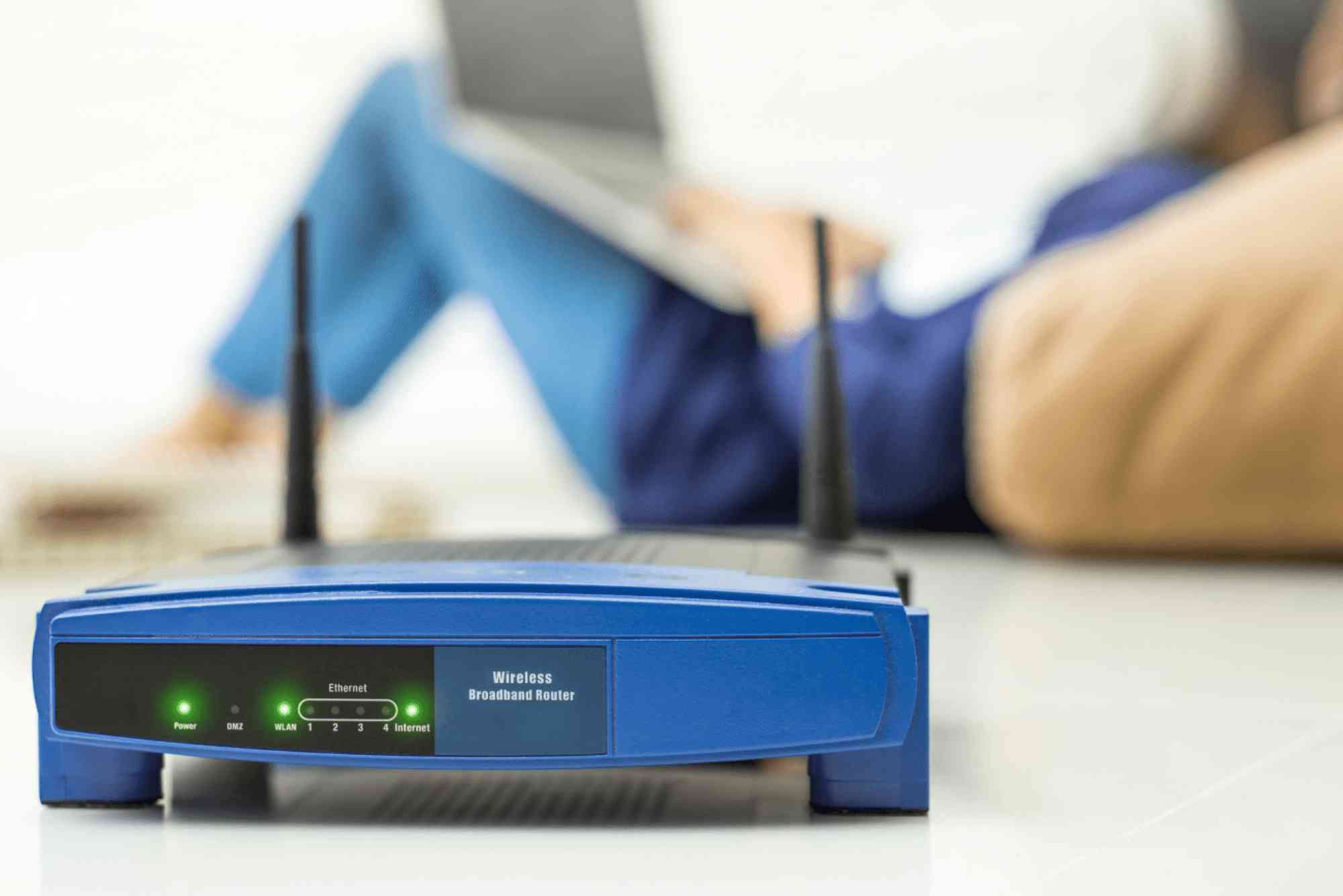
Routers store temporary routing information, device logs, and connection tables. When these elements become overloaded or corrupted, the router may assign bad addresses or block proper data flow. Restarting the router forces it to rebuild these settings from scratch. This helps clear conflicts and gives your Windows 10 device a clean environment to reconnect. It is surprising how often a simple router reboot solves what appears to be a complex technical issue.
Verifying DNS Settings for Smooth Browsing
A misconfigured DNS server is another common reason for limited connectivity. DNS acts like the internet’s phone book, turning website names into IP addresses. When the DNS server is unreachable or incorrect, pages fail to load even though the device remains connected to the network. Adjusting the DNS configuration often restores browsing speed and reliability. Many users prefer using reliable DNS providers, but even default settings must be consistent and accurate to avoid connectivity interruptions.
Checking Wi-Fi Signal Strength and Interference Levels
Weak Wi-Fi signals cause inconsistent connections and frequent dropouts. If Windows detects a weak signal or heavy interference, it may display the limited connectivity Windows 10 message. This happens in homes with thick walls, congested networks, or overlapping channels from neighboring devices. Improving router placement, reducing interference, or switching bands can restore a stable connection. Even small adjustments sometimes make a dramatic difference in reliability.
Disabling and Re-Enabling the Network Adapter
Temporarily disabling the network adapter forces Windows to unload and reload the hardware driver. This method clears internal glitches and resolves handshake errors between the adapter and the router. When the adapter reconnects with a clean configuration, Windows often regains full network access immediately. This approach is simple but surprisingly effective for many limited connectivity scenarios.
Using the Windows Network Troubleshooter Properly
The Windows Network Troubleshooter does not fix every problem, but it can identify missing gateways, blocked connections, and broken drivers. It also suggests targeted solutions based on the system’s current condition. While advanced users may prefer manual fixes, beginners often find this tool helpful for identifying the root cause quickly. Using the troubleshooter before applying deeper solutions can save time and avoid unnecessary system changes.
Ensuring No VPN or Firewall Conflict Is Disrupting Access
VPN services change routing paths, encryption settings, and DNS configurations. Firewalls block suspicious traffic. When these tools malfunction, Windows may lose internet access and display the limited connectivity message. Temporarily disabling them helps determine whether they cause the issue. If the problem disappears, adjusting their settings or updating them restores normal connectivity. Security tools must function correctly to maintain a stable internet connection.
Confirming That There Is No ISP Outage
Sometimes the internet connection fails due to an outage from your service provider. When this happens, your device connects to the router but cannot reach the external network. Windows reports limited connectivity because it cannot access the wider internet. Checking your ISP status or contacting support helps confirm whether the problem lies outside your home network. When the outage ends, the connection usually returns to normal automatically.
Factory Resetting Network Settings as a Last Resort
If all other methods fail, resetting Windows network settings returns everything to default. This solution removes custom profiles, clears corrupted configurations, and reinstalls all network components. Although this step requires re-entering Wi-Fi passwords, it often resolves persistent issues that survive other troubleshooting methods. Many advanced users rely on this reset when facing recurring limited connectivity problems.
Preventing Future Limited Connectivity Issues on Windows 10
Preventing the limited connectivity Windows 10 issue involves maintaining updated drivers, using stable Wi-Fi networks, placing your router in an open area, and avoiding excessive software conflicts. Regular system updates and router firmware updates also contribute to long-term stability. When your network environment remains clean and consistent, your system is far less likely to experience unexpected connection failures.
You can also rely on trusted service providers such as Dhanote Internet Services for stable connectivity, especially when dealing with frequent dropouts or speed issues. Reliable service helps reduce the chances of recurring technical interruptions.
Frequently Asked Questions
Why does my Windows 10 laptop show limited connectivity even when Wi-Fi works on my phone?
This usually happens when the laptop receives a bad IP address or uses corrupted network settings. Phones may continue working because they renew their network configuration more easily. Refreshing the IP address or resetting the adapter often fixes this conflict.
How do I fix limited connectivity without restarting my router?
You can reset the network stack, refresh the IP configuration, or disable and re-enable the network adapter. These steps force Windows to correct internal errors without changing anything on the router.
Is limited connectivity caused by Windows updates?
Yes, major updates sometimes modify driver behavior or network protocols. When this happens, the system may struggle to maintain a stable connection until the drivers or settings are refreshed.
Can antivirus software cause limited connectivity?
Some antivirus tools block network components during scanning or after detecting suspicious traffic. Adjusting their settings or temporarily disabling them often resolves the issue if they are the cause.
What should I do if limited connectivity keeps coming back?
Persistent issues often indicate outdated drivers, router firmware problems, or unstable Wi-Fi networks. Updating everything and improving signal conditions usually stops the issue from returning.
Restore Full Connectivity and Keep Your Network Stable
Fixing a limited connectivity Windows 10 problem becomes much easier when you understand the causes and apply the right solutions. Whether the issue comes from outdated drivers, router conflicts, DNS problems, or temporary software errors, each method in this guide helps you restore full access quickly. Keeping your system updated, improving your network environment, and maintaining a reliable internet service will help prevent future interruptions.