How to Fix DNS Server Not Responding on Mac
When your Mac shows the dreaded “DNS server not responding” error, browsing becomes impossible. This problem often leaves users frustrated, especially when they need a stable connection for work, study, or entertainment. Fortunately, there are effective ways to fix DNS server not responding on Mac without requiring deep technical expertise.
In this guide, we’ll explain what causes this issue and provide step-by-step solutions to restore seamless internet access.
What Does DNS Server Not Responding Mean?
Before learning how to fix DNS server not responding on Mac, it’s essential to understand what DNS is.
- DNS (Domain Name System): It works like a phonebook for the internet, translating domain names (like google.com) into IP addresses.
- When DNS Fails: Your Mac can’t reach the server to convert domain names, so websites won’t load.
This error doesn’t always mean your internet is down. Instead, your Mac is struggling to communicate with the DNS server.
Common Causes of DNS Server Errors on Mac
Understanding the root causes will help you choose the right fix. Here are the most common:
- Outdated DNS settings on Mac.
- ISP (Internet Service Provider) issues.
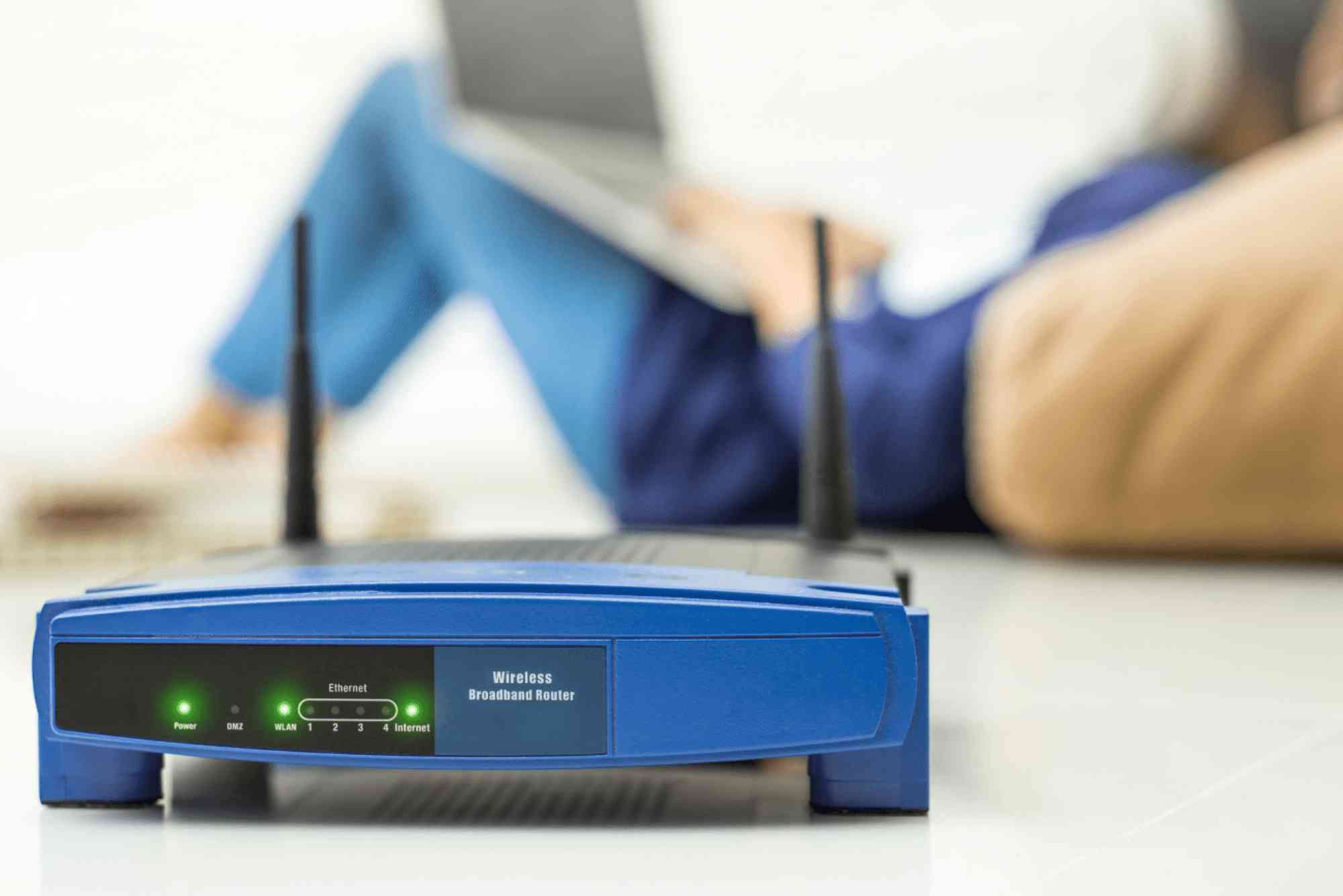
- Router or modem malfunctions.
- Conflicting VPN or firewall settings.
- Corrupted browser cache or system files.
How to Fix DNS Server Not Responding on Mac
Below are practical methods to troubleshoot and resolve the error.
Restart Your Mac and Router
Sometimes the simplest fix works best.
- Turn off your Mac.
- Unplug the router/modem for 30 seconds.
- Reconnect everything and test the internet.
Restarting clears temporary glitches and often restores connectivity.
Switch to a Reliable DNS Server
Your Mac may be relying on a slow or unresponsive DNS server. Switching to a trusted DNS can resolve the problem.
Steps:
- Open System Preferences > Network.
- Select your active connection (Wi-Fi or Ethernet).
- Click Advanced > DNS.
- Remove old servers and add:
- Google DNS:
8.8.8.8and8.8.4.4 - Cloudflare DNS:
1.1.1.1and1.0.0.1
- Google DNS:
- Save changes and reconnect.
Clear DNS Cache on Mac
A corrupted DNS cache can trigger errors. Flushing it resets the stored records.
Steps:
- Open Terminal (found in Applications > Utilities).
- Type:
sudo dscacheutil -flushcache; sudo killall -HUP mDNSResponder - Press Enter and restart your browser.
Disable or Adjust VPN and Firewall Settings
VPNs and firewalls sometimes block DNS requests.
- Temporarily disable your VPN.
- Check firewall settings in System Preferences > Security & Privacy > Firewall.
- If DNS works after disabling, adjust settings or switch to a different VPN.
Update macOS
Outdated software may cause compatibility issues with DNS.
- Go to System Preferences > Software Update.
- Install the latest macOS update.
Updating keeps your system secure and often fixes network bugs.
Test in Safe Mode
Booting in Safe Mode helps identify third-party conflicts.
- Restart your Mac and hold Shift until the Apple logo appears.
- Try connecting to the internet.
- If DNS works, a third-party app may be interfering.
Contact Your ISP
If nothing works, the issue may be with your provider. For example, Dhanote Internet Services offers reliable connectivity and responsive support for DNS-related issues. Contacting your ISP ensures the problem is fixed from their side.
Advanced Fixes for Persistent DNS Issues
If you’re still facing problems, try these advanced methods:
Change Network Location
- Go to System Preferences > Network > Location.
- Create a new location and reconfigure your Wi-Fi.
Reset PRAM and SMC
- These resets can fix hidden system-level glitches affecting networking.
FAQs
Why does my Mac say DNS server not responding?
It usually happens when the DNS server is overloaded, down, or your Mac has outdated DNS settings.
Is it safe to change DNS on Mac?
Yes. Switching to trusted servers like Google or Cloudflare is safe and often faster.
Will flushing DNS delete my browsing history?
No. Flushing only clears cached DNS records, not browser history.
Can Wi-Fi cause DNS errors on Mac?
Yes, router misconfigurations or weak signals may trigger DNS problems. Restarting often helps.
Do I need to use a VPN to fix DNS errors?
No. In fact, VPNs may sometimes cause DNS conflicts. Disabling them can solve the issue.
The DNS server not responding error can be disruptive, but with the steps above, you can quickly restore connectivity. From restarting your devices to switching DNS servers and clearing caches, these fixes usually work.