Introduction
Fiber optic internet is known for speed, stability, and reliability. Yet occasional issues can still interrupt your connection at home or work. This guide provides clear, practical fiber optic internet troubleshooting steps to help you solve common problems quickly. Whether you face slow speeds, no connectivity, or signal drops, this article walks you through each issue with simple explanations. If you already use services like Dhanote Internet Services, these solutions will help you get the best performance.
Understanding How Fiber Optic Internet Works
Fiber internet uses light signals to transmit data through thin glass strands. This makes it faster and more stable than DSL or cable. However, when something goes wrong, the cause is often physical, environmental, or configuration-related.
Common Fiber Optic Internet Issues and How to Fix Them
Slow Internet Speed
Slow speed is one of the most common complaints. Although fiber usually performs well, several factors can impact speed.
Check Your Device Load
Too many connected devices slow down performance. Disconnect unused devices and test the speed again.
Restart Your ONT
The Optical Network Terminal (ONT) handles your fiber connection. Restarting it often fixes temporary signal issues.
Inspect Cables and Connectors
Loose or bent cables reduce light transmission. Ensure all connectors are straight, clean, and firmly attached.
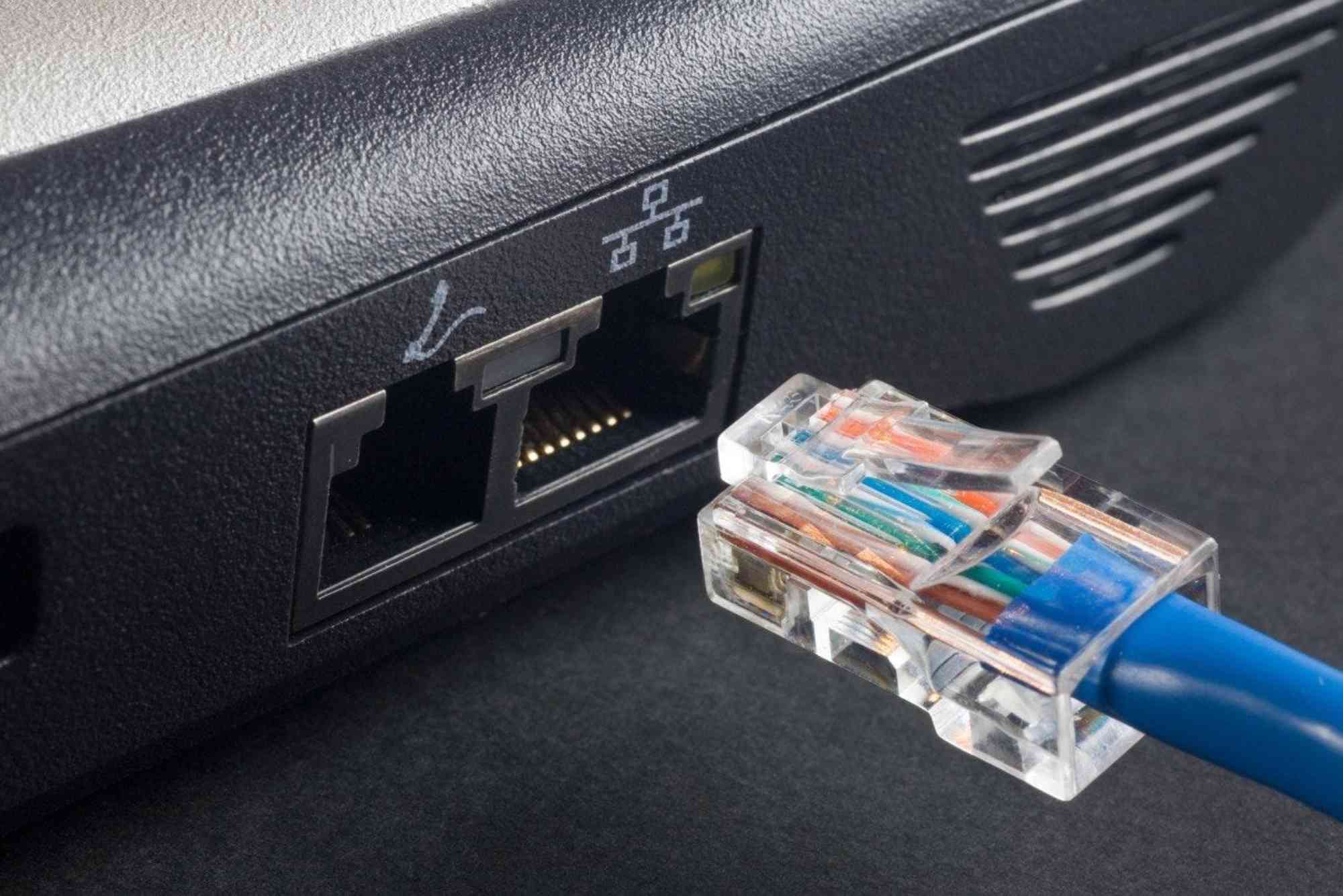
Test Speed Through a Wired Connection
A wired connection removes Wi-Fi issues. If speeds improve, your router or Wi-Fi setup may be the cause.
No Internet Connection
If your internet suddenly stops working, follow these fiber optic internet troubleshooting steps.
Confirm Power Supply
Check that your ONT, router, and power adapter are plugged in and receiving power.
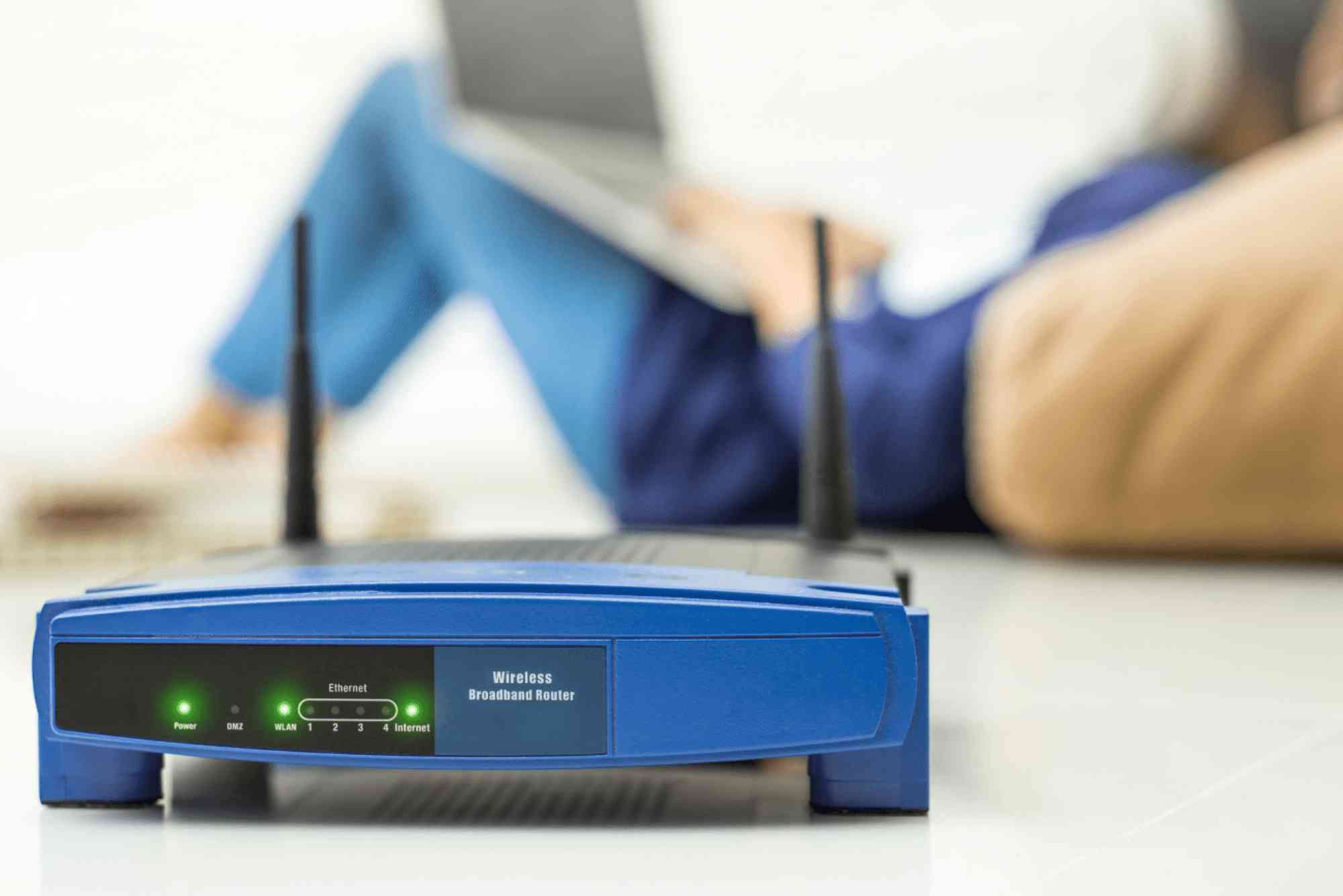
Inspect ONT Lights
Every ONT has status lights. A red, flashing, or dark light usually indicates a service issue. Restart and monitor again.
Check for Local Outages
Service disruptions can happen. If multiple users in your area face the same problem, wait until your ISP resolves it.
Ensure the Fiber Cable Is Not Damaged
Fiber cables are fragile. Any sharp bend, twist, or pull can break the optical strands inside.
Frequent Disconnections
Random dropouts can be frustrating. They usually come from signal issues or router problems.
Reposition Your Router
If the router is placed inside cabinets or behind walls, Wi-Fi drops occur. Move it to an open, central location.
Update Router Firmware
Outdated firmware leads to frequent disconnects. Check your router app or settings for updates.
Remove Wireless Interference
Microwaves, cordless phones, and Bluetooth devices can weaken Wi-Fi signals. Keep your router away from such electronics.
Restart Both ONT and Router
Restarting helps reset your network path and clears internal errors.
Weak Wi-Fi Coverage
Fiber internet may be fast, but Wi-Fi coverage depends on your router, layout, and signal strength.
Upgrade to a Dual-Band or Mesh Router
Older routers struggle with high-speed fiber connections. Mesh systems cover large homes effectively.
Use Proper Router Placement
Place it high and away from walls to improve signal distribution.
Reduce Obstacles
Thick walls and metal furniture weaken signals. Keep the area around your router clear.
Light Signal Loss
Fiber relies on light. If light doesn’t travel smoothly, performance drops.
Clean the Connectors
Dust and oil interfere with light transmission. Clean connectors gently with a dry microfiber cloth.
Straighten the Fiber Cable
Avoid sharp bends. Even a slight pinch disrupts light flow.
Replace Damaged Cables
If a cable shows cracks or bends, replace it immediately.
Router or ONT Overheating
Overheating affects performance and may cause shutdowns.
Keep Devices Ventilated
Place your router and ONT in open areas, not inside drawers or stacked with other electronics.
Check for Airflow Blockages
Dust buildup blocks vents. Clean the equipment regularly.
Use a Cooling Pad
If your environment is warm, add a cooling pad under the router.
Incorrect Network Configuration
Wrong settings slow down or block your internet.
Reset Network Settings
Restoring default settings often fixes misconfigurations.
Re-enter PPPoE or Login Details
Incorrect ISP credentials prevent connectivity. Double-check your username and password.
Disable Unnecessary Security Filters
Parental controls, MAC filtering, or firewalls may block devices accidentally.
Fiber Optic Internet Troubleshooting Checklist
Use this checklist for quick problem solving:
Quick Steps
Restart ONT and router
Check fiber cable health
Test wired vs wireless speed
Inspect ONT light indicators
Reduce device load
Update firmware
Advanced Troubleshooting Steps
Run a Ping Test
This shows if your connection is unstable. High ping means a problem in the network path.
Check for Bandwidth-Hogging Apps
Video streaming or large downloads affect speed. Close background apps.
Replace Your Router
If your router is old, it may not handle high-speed fiber connections. Upgrading often solves most problems.
When to Contact Your ISP
Sometimes the issue is beyond your control.
Fiber Line Damage
If the fiber line outside your home is damaged, only your ISP can repair it.
ONT Replacement
Faulty ONTs require professional technicians.
Persistent Red Light on ONT
A red LOS (Loss Of Signal) light means there is a major signal break.
Internal Network Optimization
Even after troubleshooting, you can improve performance.
Create an Ideal Network Layout
Position router in a central area for balanced coverage.
Use Wired Connections for High-Demand Devices
Gaming consoles and PCs perform better with wired connections.
Secure Your Wi-Fi
Unauthorized users slow down your network. Use WPA3 for strong security.
FAQs (Real User Questions)
Why is my fiber optic speed slow even though I have a high-speed package?
Device load, Wi-Fi issues, outdated routers, or damaged fiber cables often cause slow speeds.
How do I know if my fiber cable is damaged?
Look for bends, cuts, or loose connectors. A damaged cable often shows dropouts or red ONT lights.
Why is my ONT light red?
A red LOS light means signal loss. It could be due to line damage or service outages.
Does weather affect fiber optic performance?
Extreme weather can affect outdoor fiber lines but usually not indoor performance.
Why does my fiber internet disconnect randomly?
Your router may be overheating, outdated, or placed poorly. Interference can also cause drops.
Fiber optic internet is reliable, but issues can still appear. By following these fiber optic internet troubleshooting steps, you can fix most problems on your own. Restart devices, inspect cables, update hardware, and optimize your Wi-Fi layout. If you still face issues, contact your ISP or consult services like Dhanote Internet Services for professional assistance.