Understanding Fiber Optic Internet Latency
In today’s digital age, speed and stability are the foundations of a reliable internet connection. With the growing dependence on cloud services, online gaming, video conferencing, and streaming, many users are now seeking the best possible experience. Among all available technologies, fiber optic internet stands out as the gold standard for speed and efficiency. However, while fiber offers incredible performance, one critical factor often overlooked is latency. Understanding fiber optic internet latency can help users maximize their connection, troubleshoot issues, and appreciate the advantages it brings over other forms of internet.
What is Fiber Optic Internet Latency?
Latency refers to the time it takes for data to travel from a user’s device to a server and back again. It is measured in milliseconds (ms). When you click a link, send a message, or stream a video, the data travels across networks, and latency measures that round-trip delay. Fiber optic internet latency is significantly lower than DSL, cable, or satellite connections because it uses light pulses to transmit data through glass or plastic strands. Light travels at nearly the speed of light in a vacuum, allowing fiber networks to reduce delays dramatically.
Low latency is especially important for real-time applications. Online gaming, financial trading platforms, VoIP calls, and video conferencing all rely on fast, near-instantaneous responses. Even small delays can lead to poor user experience, lag, or dropped connections.
Why Fiber Optic Internet Has Lower Latency
Light-Based Transmission
Unlike copper cables that use electricity, fiber relies on light signals. Since photons travel faster than electrical pulses, the transmission speed is far superior. This reduces the time data takes to reach its destination.
Higher Bandwidth Capacity
Fiber networks can carry vast amounts of data simultaneously. When bandwidth is plentiful, there is less congestion, and packets of data don’t need to wait in long queues. This leads to reduced latency even during peak hours.
Minimal Signal Interference
Copper wires and wireless networks are prone to electromagnetic interference, weather disruptions, or physical obstructions. Fiber optic cables, however, are resistant to such problems, ensuring a more stable and predictable latency rate.
Direct Routing Efficiency
Many fiber providers offer more direct routing to major internet backbones. This shortens the number of “hops” data must make, minimizing travel time and reducing latency further.
How Latency Affects Your Internet Experience
Latency might not be noticeable when browsing simple websites or checking email. However, in high-demand scenarios, even small delays matter.
Online Gaming
Gamers are particularly sensitive to latency. Known as “ping” in gaming communities, latency determines reaction times and real-time interactions. A latency of 20ms or lower provides a smooth experience, while anything above 100ms can create frustrating lag. Fiber optic internet latency is often under 20ms, making it ideal for competitive gaming.
Video Conferencing
For remote workers, educators, and businesses, clear communication depends on low latency. High latency results in awkward pauses, overlapping conversations, and frozen video feeds. With fiber, video calls through Zoom, Teams, or Google Meet become seamless and professional.
Streaming Services
While streaming movies or shows on Netflix or YouTube may not require ultra-low latency, live streaming does. Watching or broadcasting live events, sports, or webinars depends on near-instant data transfer to avoid buffering or synchronization issues.
Cloud Applications
Modern businesses increasingly rely on cloud-based platforms for data storage, software, and collaboration. High latency slows down access to files, reduces efficiency, and creates bottlenecks. Fiber latency ensures that accessing cloud resources feels almost as fast as local storage.
Average Latency Across Internet Types
To better understand fiber optic internet latency, it helps to compare it with other technologies:
-
Fiber Optic Internet: Typically 1–20ms
-
Cable Internet: Around 20–40ms
-
DSL Internet: Around 40–70ms
-
Fixed Wireless: Around 50–100ms
-
Satellite Internet: Around 500–700ms
This comparison highlights why fiber internet is increasingly viewed as essential for modern digital lifestyles.
Factors That Can Influence Fiber Optic Internet Latency
While fiber optic internet provides the lowest latency, several factors can still impact performance.
Distance to Server
Even with fiber, the farther the server is, the more time data takes to travel. For instance, connecting to a server on another continent naturally increases latency compared to a local one.
Network Equipment
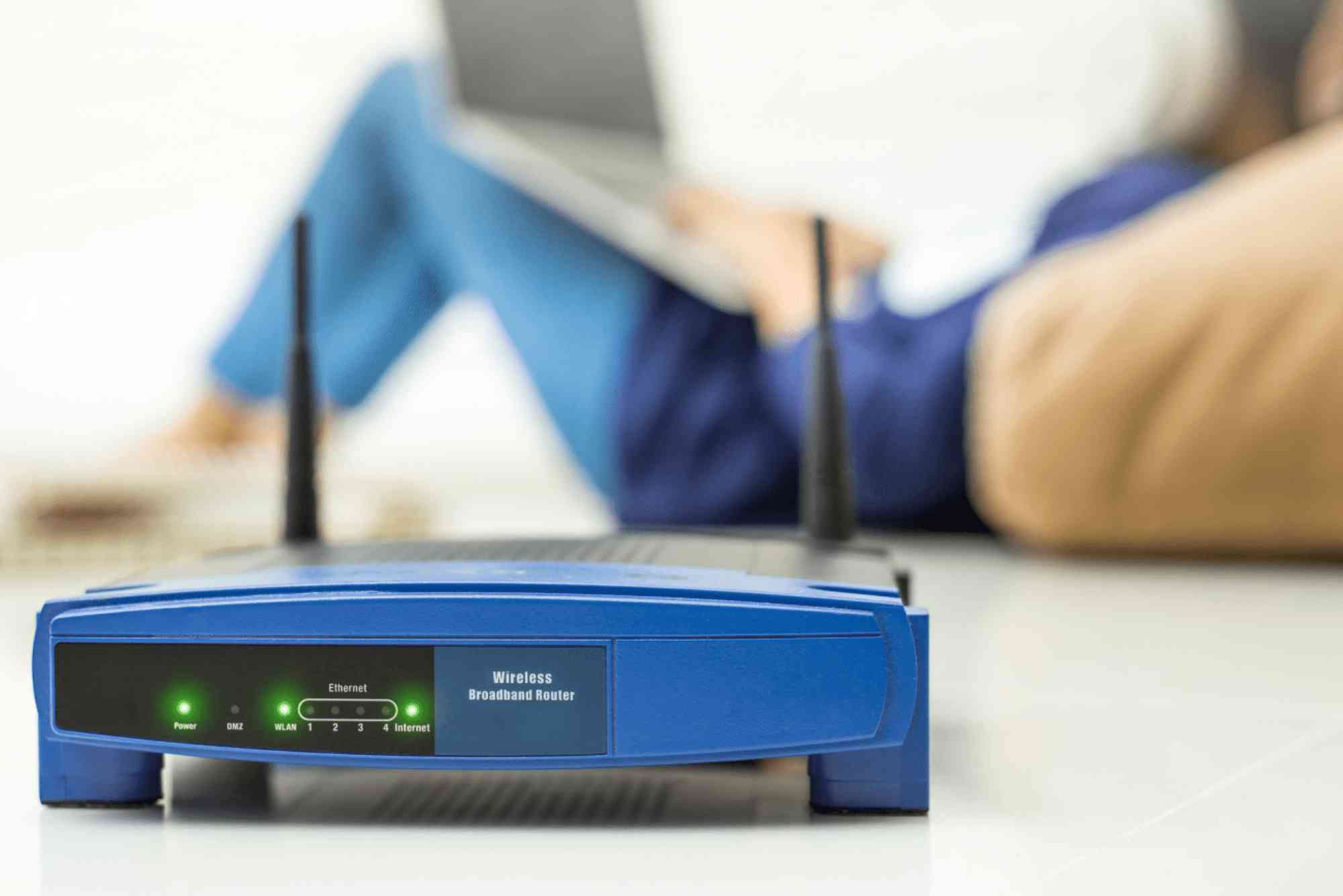
Routers, switches, and modems all add minor delays. Using outdated equipment or poorly configured devices can increase latency, even on a fiber connection.
ISP Routing Policies
Some internet service providers prioritize certain traffic or route data inefficiently, adding unnecessary hops. Choosing a reliable provider helps ensure optimal latency.
Peak Usage Times
While fiber is highly resilient, some networks may still experience congestion during peak evening hours. This can slightly raise latency, though it is usually much less noticeable compared to cable or DSL.
Measuring Fiber Optic Internet Latency
Most users measure latency using a simple “ping test.” This test sends packets to a server and measures the round-trip time. Popular tools like Speedtest.net or command line ping commands give accurate readings. A good fiber connection should consistently show latency between 5–20ms to nearby servers.
Gamers often test latency against specific game servers, while businesses may check latency to cloud service providers. Regular testing ensures that the connection is performing as expected.
Benefits of Low Latency Fiber Internet
Understanding fiber optic internet latency highlights why it is the superior choice.
-
Real-time responsiveness: Essential for gaming, video calls, and financial transactions.
-
Better productivity: Faster collaboration on cloud platforms and remote tools.
-
Enhanced user experience: Seamless browsing, streaming, and communication.
-
Future-proof technology: With growing demands for real-time services, low latency ensures long-term reliability.
Choosing the Right Fiber Internet Provider
Not all fiber providers are equal. Factors like routing efficiency, customer support, and service reliability play a major role in the actual latency you experience. For example, services such as Dhanote Internet Services specialize in providing robust and reliable fiber connections with consistent low latency. Choosing a trusted provider ensures that you enjoy the full benefits of fiber internet.
Fiber optic internet latency is a critical factor that determines how smooth and responsive your online experience feels. While speed often gets the spotlight, latency ensures real-time performance for gaming, video conferencing, and cloud-based work. Compared to DSL, cable, and satellite, fiber internet delivers the lowest latency, making it the most reliable option for today’s digital demands. Choosing a dependable provider like Dhanote Internet Services ensures you get the full benefits of fiber, with blazing-fast speeds and ultra-low latency. If you are looking for the most reliable and future-proof internet connection, investing in fiber optic internet is the smartest choice. Take the step today and upgrade to a connection that matches the speed of your lifestyle.
FAQs
What is considered good latency for fiber internet?
Anything under 20ms is excellent, especially for gaming and video conferencing.
Is fiber optic internet always the lowest latency option?
Yes, fiber consistently offers lower latency than DSL, cable, and satellite, although routing and distance to the server can affect results.
Does faster speed reduce latency?
Not directly. Speed and latency are different. Speed measures data volume per second, while latency measures delay. However, higher bandwidth reduces congestion, which indirectly helps latency.
Can fiber optic internet have high latency?
Rarely, but it can happen due to outdated equipment, poor ISP routing, or distant servers.
Why is satellite internet latency so high compared to fiber?
Satellite signals must travel thousands of miles to orbit and back, while fiber transmits data across terrestrial cables at nearly the speed of light.