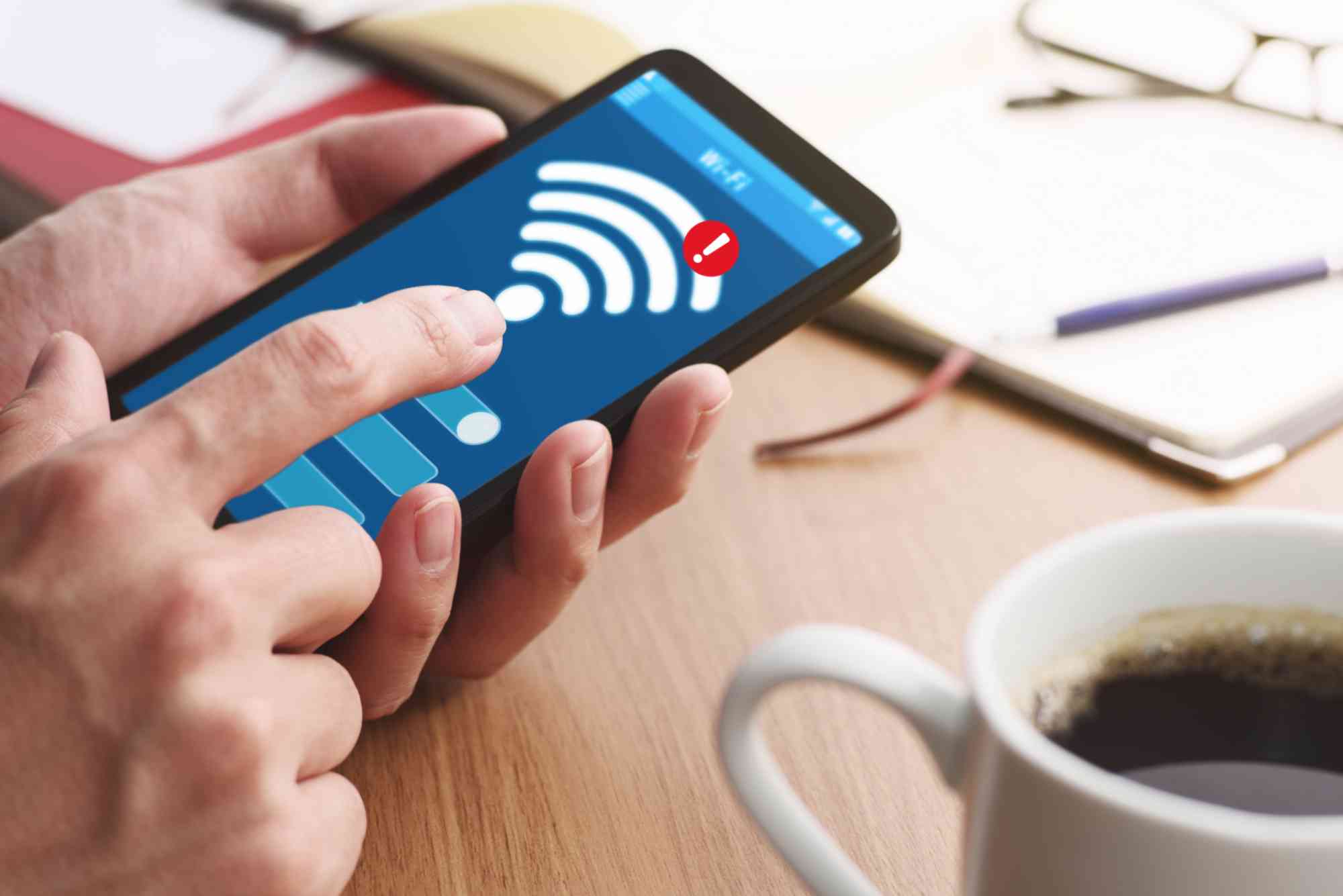
Why Won’t My Device Connect to Wi-Fi? Common Fixes
A reliable Wi-Fi connection is no longer a luxury—it’s a necessity. Whether you’re working remotely, streaming your favorite show, or attending an online class, losing internet access can be frustrating. Many people ask, “Why won’t my device connect to Wi-Fi?” The reasons range from minor software glitches to more complex router issues. Fortunately, most connectivity problems have straightforward solutions.
Common Reasons Why Your Device Won’t Connect to Wi-Fi
Understanding the root cause of the issue is the first step toward fixing it. Connectivity problems typically fall into three main categories: device-related, network-related, or external.
Device-Related Issues
Sometimes, the problem lies within your smartphone, laptop, or tablet. Outdated software, incorrect settings, or temporary glitches can prevent your device from connecting.
Network-Related Problems
The Wi-Fi router or modem may be malfunctioning. Incorrect passwords, IP conflicts, or router misconfigurations can block devices from establishing a connection.
External Factors
Occasionally, the issue is beyond your control. Internet service provider (ISP) outages, damaged cables, or interference from nearby devices can disrupt connectivity.
Quick Fixes to Try First
Before diving into advanced troubleshooting, try these simple steps:
-
Restart your device and router.
-
Ensure Airplane mode is turned off.
-
Double-check that you’re entering the correct Wi-Fi password.
-
Move closer to the router to rule out weak signals.
If these steps don’t resolve the issue, it’s time to investigate further.
Fixing Device-Related Wi-Fi Issues
When your device won’t connect to Wi-Fi, the device itself may be the culprit. Here are the most effective fixes.
Restart the Device
A simple restart can clear temporary glitches. Power your phone, tablet, or computer off, wait a few seconds, and turn it back on.
Forget and Reconnect to the Network
Sometimes stored Wi-Fi settings cause conflicts. Forget the network in your device’s Wi-Fi settings, then reconnect by entering the password again.
Update Software
Outdated operating systems or drivers can cause connectivity problems. Check for updates on your device and install the latest version available.
Reset Network Settings
On many devices, you can reset network settings to default. This removes saved Wi-Fi networks, VPNs, and Bluetooth connections but often resolves persistent issues.
Check Security and Firewalls
Some devices block connections due to strict security settings. Review your firewall or antivirus settings to ensure Wi-Fi isn’t being blocked.
Router and Network Fixes
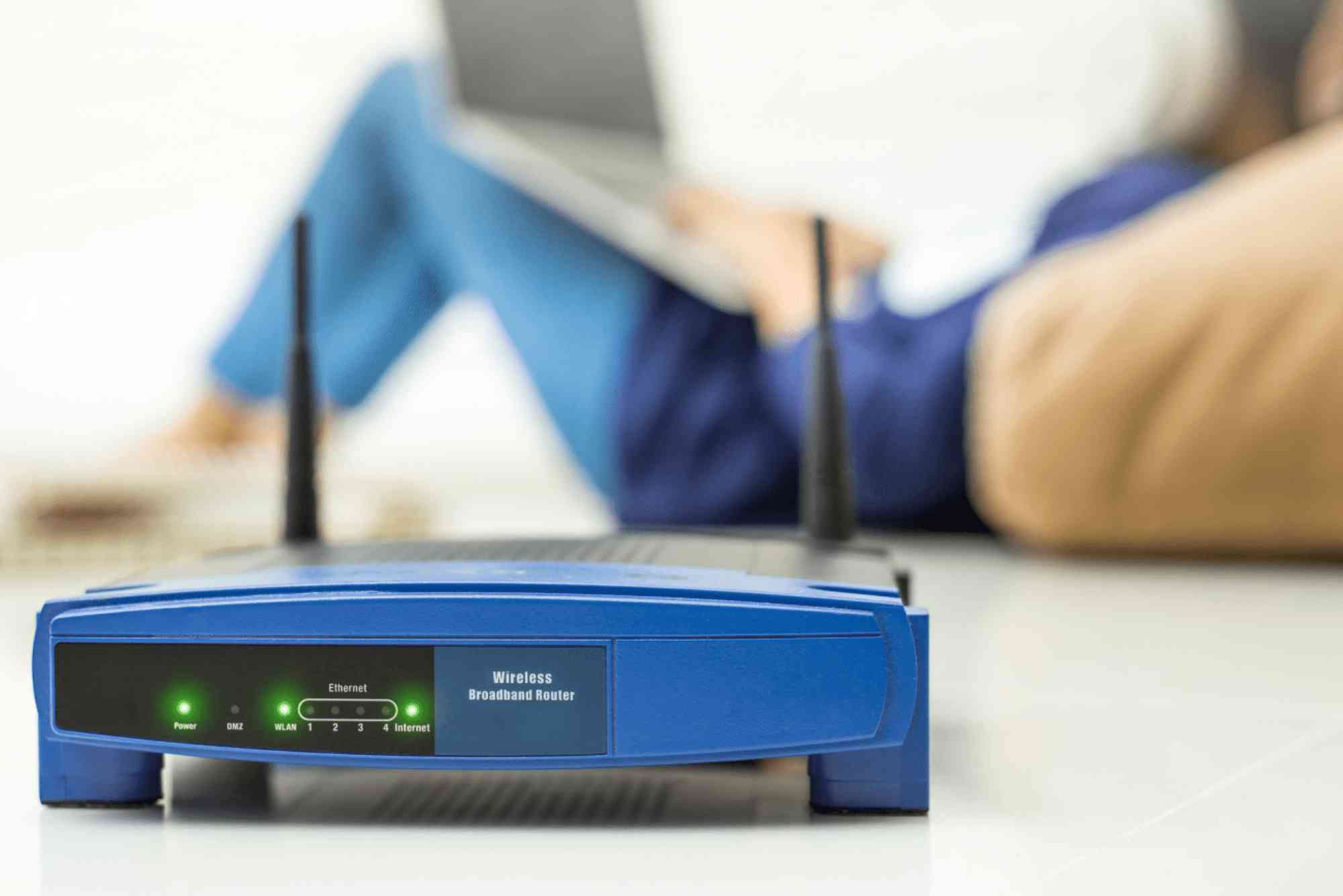
If multiple devices won’t connect, the problem likely lies with your router or modem.
Restart the Router
Unplug the router and modem, wait 30 seconds, and plug them back in. This clears cache and resolves minor malfunctions.
Check for Overloaded Networks
Too many devices on one network can slow down performance or block connections. Disconnect unused devices and see if that helps.
Update Router Firmware
Routers need software updates too. Log into your router’s admin panel and check for firmware updates to improve stability and security.
Change Wi-Fi Frequency Band
Modern routers broadcast on 2.4GHz and 5GHz bands. If your device struggles with one, switch to the other for a stronger connection.
Adjust Router Placement
Physical obstructions and interference from microwaves, cordless phones, or walls can weaken signals. Position your router in a central, elevated spot.
Advanced Troubleshooting
If standard fixes don’t work, advanced steps may be necessary.
Assign a Static IP
Devices sometimes fail to obtain an IP address automatically. Manually assign a static IP in your Wi-Fi settings to bypass this problem.
Reset the Router to Factory Settings
If misconfigured settings are the cause, resetting your router to default often resolves the issue. Reconfigure the Wi-Fi afterward.
Check for MAC Address Filtering
Some routers block devices that aren’t whitelisted. Ensure your device’s MAC address is allowed in your router settings.
Run Network Diagnostics
Windows, macOS, and Android devices often include built-in troubleshooting tools. Run diagnostics to detect and fix underlying issues.
External Factors You Can’t Ignore
Internet Service Provider Outages
If everything looks fine at home, check whether your ISP is experiencing downtime. Providers often post outage updates online.
Damaged Cables or Ports
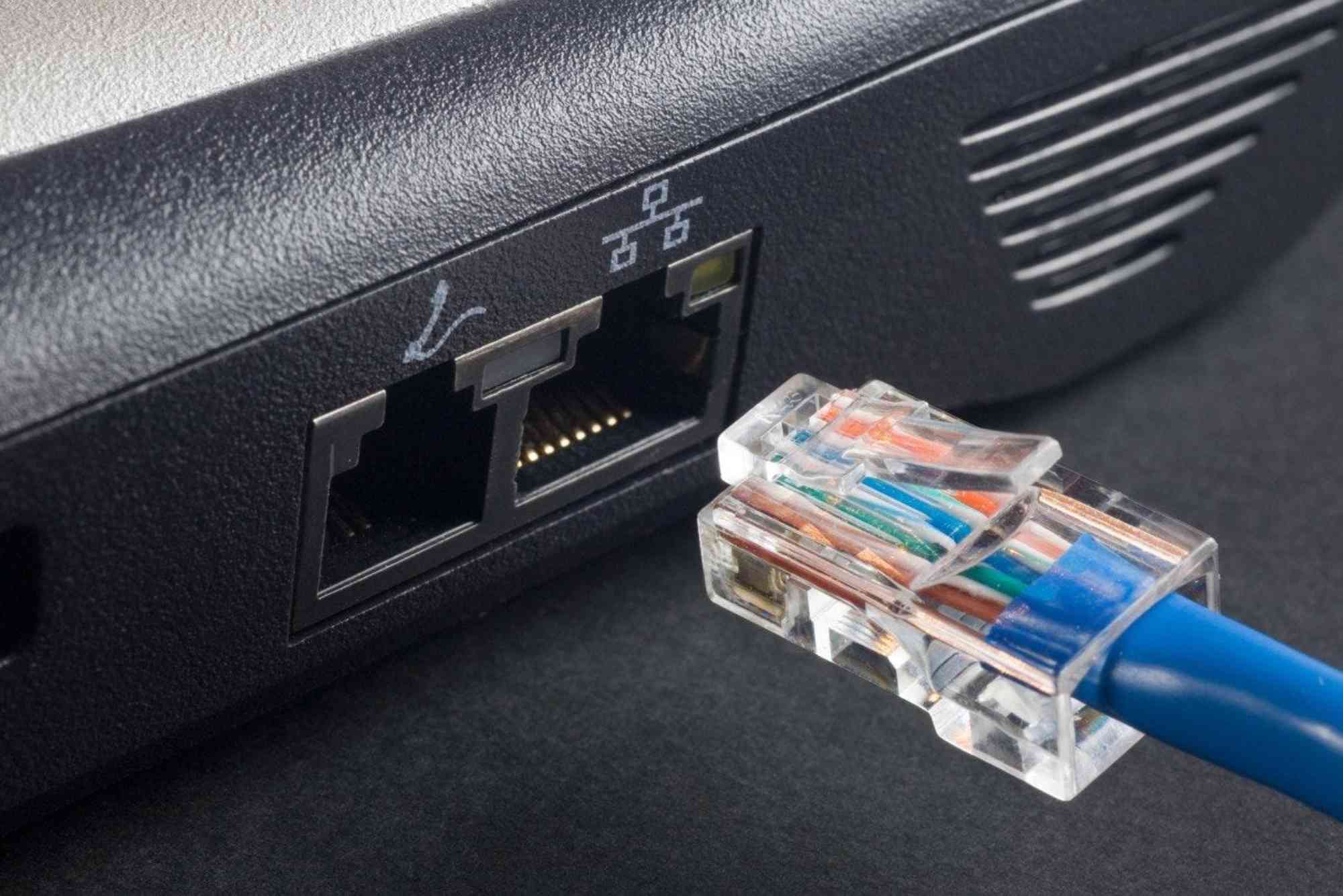
Loose or damaged cables between your modem and router can interrupt service. Inspect them carefully and replace if necessary.
Wi-Fi Interference
Neighboring networks, smart home devices, and even thick walls can cause interference. Changing your Wi-Fi channel can help minimize overlap.
Preventing Future Wi-Fi Issues
Once you’ve resolved the immediate issue, take steps to avoid future problems.
-
Regularly update your router firmware.
-
Restart your router weekly to clear memory.
-
Invest in a mesh Wi-Fi system for larger homes.
-
Use strong, unique passwords to prevent unauthorized access.
Reliable service providers also make a huge difference. If you live in Pakistan and often face unstable connections, consider switching to Dhanote Internet Services for consistent and dependable internet access.
When your device won’t connect to Wi-Fi, it can feel like the world comes to a standstill. Luckily, most issues are simple to fix with basic troubleshooting. Restarting devices, updating software, adjusting router settings, or contacting your ISP can quickly restore connectivity.
If you continue facing problems, consider upgrading your equipment or switching to a reliable service provider. Staying proactive with regular updates and good network management ensures fewer disruptions in the future. Staying connected is essential—so take these steps today, and enjoy uninterrupted browsing, streaming, and working online. If you’re in Pakistan and seeking better internet stability, explore Dhanote Internet Services for a reliable connection you can trust.
FAQs
Why does my phone say “connected without internet”?
This usually means your device is linked to the Wi-Fi but the router isn’t connected to the internet. Restarting the router often helps.
Why won’t my laptop connect to Wi-Fi but my phone does?
Your laptop may have outdated drivers, incompatible security settings, or corrupted network profiles. Updating drivers or resetting network settings usually resolves it.
Why does my Wi-Fi keep disconnecting?
Frequent disconnections can stem from weak signals, overloaded networks, or interference from nearby devices. Changing router placement often helps.
Why does my device ask for the Wi-Fi password repeatedly?
This often indicates an incorrect password or corrupted saved credentials. Forget the network and reconnect with the correct password.
Can too many devices slow down Wi-Fi?
Yes, excessive devices sharing the same network can consume bandwidth and reduce performance. Limit connected devices for smoother browsing.