Introduction
A stable internet connection is essential for work, entertainment, and communication. Yet, many people face the frustrating issue where their device keeps dropping Wi-Fi. One moment you are streaming or working smoothly, and the next, your connection is gone. This recurring problem is not only inconvenient but also disruptive to productivity and leisure.
In this article, we’ll explore why devices frequently disconnect from Wi-Fi, common causes behind it, and effective solutions to keep your connection stable. Whether it’s your laptop, smartphone, or smart TV, you’ll find practical tips to fix the issue once and for all.
Why Your Device Keeps Dropping Wi-Fi
When your device keeps disconnecting, it usually indicates a deeper issue with either the network or the device itself. Understanding the root cause is the first step toward resolving it.
Router Problems
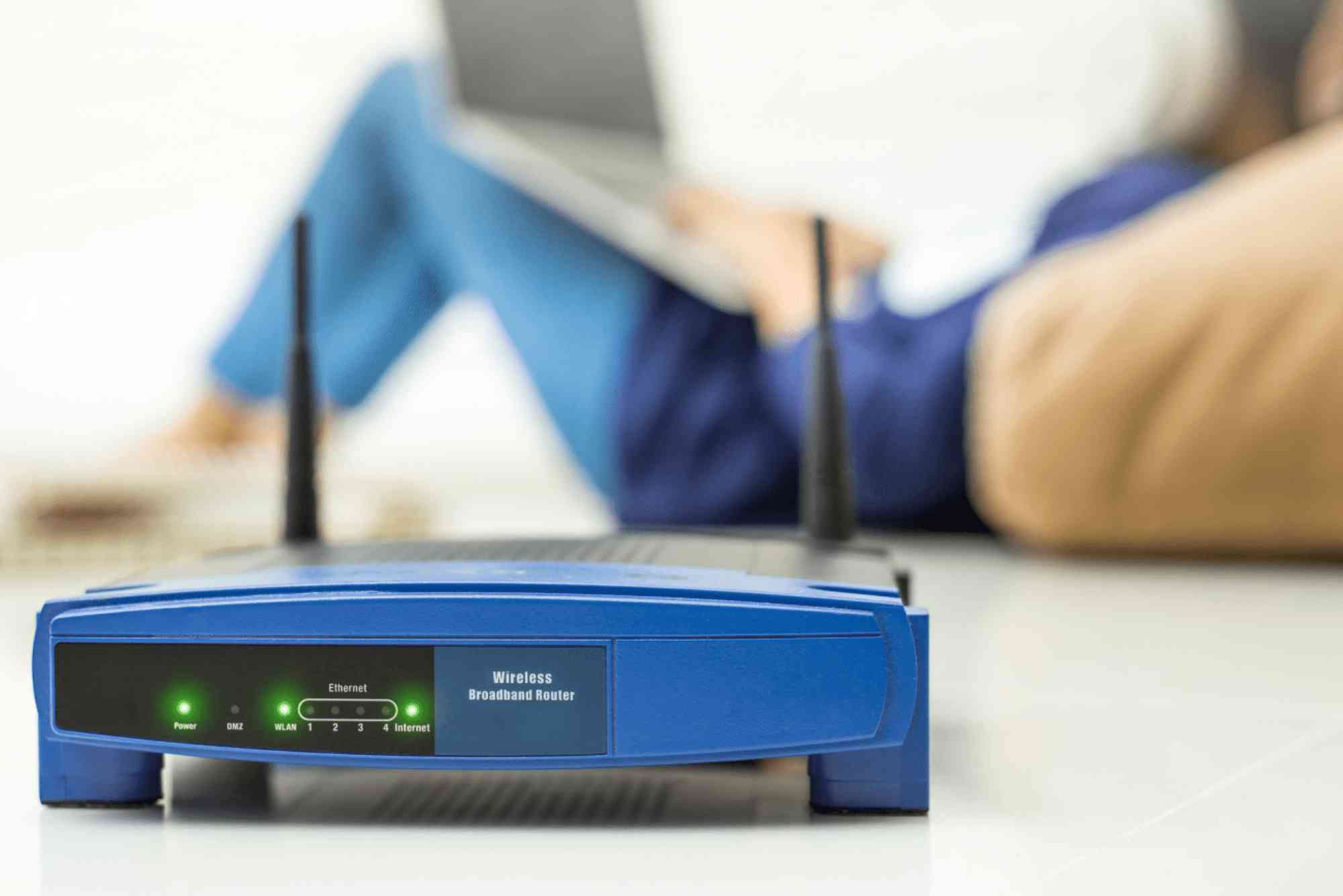
Routers are at the heart of Wi-Fi connectivity. If your router is outdated, overloaded, or poorly configured, your device may keep dropping Wi-Fi. Firmware updates, overheating, or weak signal coverage can also lead to frequent disconnections.
Interference from Other Devices
Wi-Fi operates on radio frequencies. Nearby devices like microwaves, cordless phones, or even neighboring Wi-Fi networks can interfere with your signal. This interference often causes your device to lose connection repeatedly.
Weak Signal Strength
If you are too far from the router or there are thick walls in between, your device will struggle to maintain a stable connection. The weaker the signal, the more likely it is to drop.
Software and Firmware Issues
Outdated software on your device or router can trigger Wi-Fi problems. Bugs, compatibility issues, or missing security updates may cause your connection to fail.
Network Overload
Too many devices connected to a single router can overload the network. When this happens, your device may lose priority and keep dropping Wi-Fi.
Power Management Settings
On laptops and mobile devices, power-saving features sometimes disable Wi-Fi to conserve battery life. While helpful for battery longevity, this can disrupt your connection.
How to Fix a Device That Keeps Dropping Wi-Fi
Now that you know the possible causes, let’s go through effective solutions.
Restart Your Router and Device
A simple restart can fix temporary glitches. Power off your router for at least 30 seconds before turning it back on. Restarting your device can also refresh its network settings.
Update Software and Firmware
Ensure your device and router firmware are updated to the latest versions. Updates often fix bugs that cause disconnections.
Optimize Router Placement
Place your router in a central, elevated spot with minimal obstructions. Avoid placing it near microwaves, cordless phones, or large metal objects that block signals.
Reduce Connected Devices
Disconnect devices that are not actively using Wi-Fi. If too many devices are connected, your router may struggle to maintain stability.
Adjust Wi-Fi Channels
If interference from nearby networks is an issue, manually change your Wi-Fi channel through the router settings. Switching to a less congested channel often improves stability.
Disable Power Saving Mode
On laptops, adjust power management settings to prevent Wi-Fi from turning off. On smartphones, disable battery saver features that interfere with connectivity.
Upgrade Your Router
If your router is old, consider upgrading to a dual-band or mesh Wi-Fi system. These modern devices provide stronger coverage and handle multiple devices better.
Reset Network Settings
On your device, reset the network settings to clear old configurations. This forces a fresh connection to your Wi-Fi and eliminates potential conflicts.
Advanced Solutions for Persistent Issues
Sometimes basic fixes are not enough. In such cases, more advanced solutions may help.
Assign a Static IP Address
Dynamic IP allocation can sometimes cause conflicts. Assigning a static IP address to your device ensures it maintains a consistent connection.
Use 5GHz Wi-Fi
If your router supports dual-band, switch your device to the 5GHz band. It offers faster speeds and less interference compared to 2.4GHz.
Check for Malware
Viruses or malware can disrupt network functionality. Run a security scan to ensure your device is not compromised.
Contact Your ISP
If all else fails, your internet service provider may be the problem. Contact them to check for outages, line issues, or throttling. Reliable providers such as Dhanote Internet Services offer consistent connectivity and professional support to help maintain a strong connection.
Preventing Wi-Fi Drops in the Future
Consistency is key to enjoying a stable internet experience. Here’s how you can prevent frequent drops.
Regular Maintenance
Restart your router weekly, update firmware promptly, and monitor device connections. Preventive maintenance minimizes the chances of recurring issues.
Secure Your Wi-Fi Network
Unauthorized devices on your network can cause congestion. Always use strong passwords and WPA3 security to protect your connection.
Invest in Better Hardware
Modern routers, range extenders, and mesh systems significantly improve Wi-Fi performance. Investing in quality equipment pays off in stability.
Schedule ISP Support Checks
If you notice recurring issues, schedule a line check with your ISP. They can diagnose external issues beyond your control.
FAQs
Why does my phone keep dropping Wi-Fi even with full bars?
Full bars only indicate signal strength, not stability. Issues like router overload, outdated software, or interference can still cause drops.
How can I stop my laptop from disconnecting from Wi-Fi?
Disable power-saving features, update drivers, and check for router compatibility. These adjustments usually fix laptop disconnection issues.
Why does my Wi-Fi disconnect at night?
Some ISPs perform maintenance at night. Alternatively, interference from other household devices or router settings may be the cause.
Can a weak Wi-Fi signal cause disconnection?
Yes, a weak signal often results in unstable connectivity. Moving closer to the router or using extenders can resolve this problem.
Is it better to use 2.4GHz or 5GHz Wi-Fi?
5GHz is better for speed and stability, while 2.4GHz is better for long-range coverage. Choose based on your location and needs.
If your device keeps dropping Wi-Fi, the issue could stem from weak signals, outdated software, interference, or network overload. By following the steps outlined above—ranging from simple restarts to advanced solutions—you can restore and maintain a stable connection.