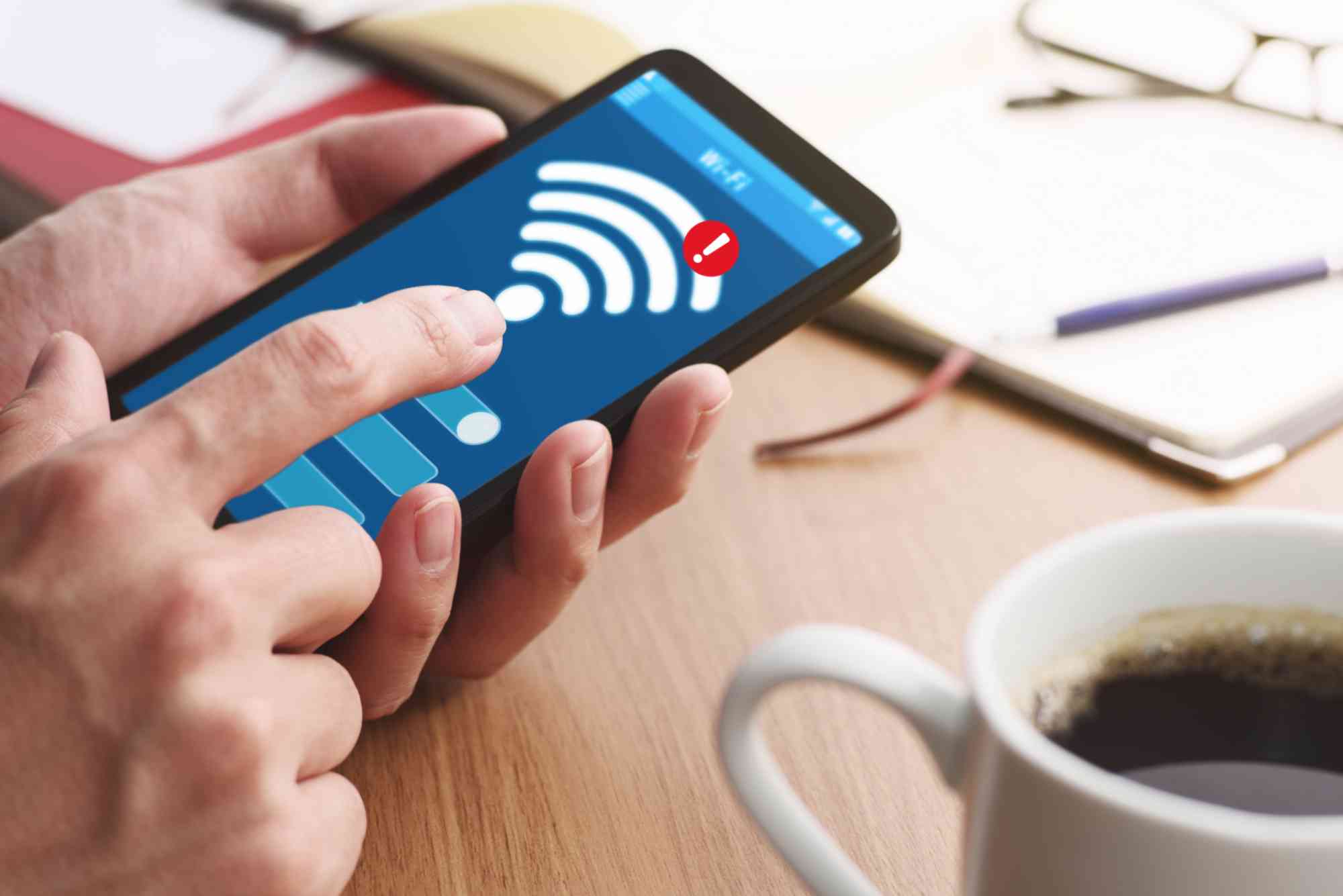
Device Disconnects Randomly from Wi-Fi? Here’s the Fix
If your device disconnects from Wi-Fi randomly, you know how frustrating it can be. Whether you are streaming a movie, attending an online meeting, or gaming with friends, losing your connection breaks your flow. Wi-Fi instability is a common issue, but the good news is that it usually has a clear cause and a solution. By identifying the reason behind your device’s disconnections, you can apply the right fix and enjoy a seamless internet experience. This guide covers why devices disconnect randomly from Wi-Fi, the most effective solutions, and answers to common questions users ask online.
Why Devices Disconnect from Wi-Fi Randomly
Devices disconnect from Wi-Fi randomly for several reasons. It could be due to weak signal strength, outdated software, or interference from other electronics. Sometimes, it’s an issue with the router itself. In other cases, it may be the device’s settings or even the network provider. Identifying the root cause is the first step to fixing the problem effectively.
Weak Signal Strength
One of the most common reasons devices disconnect from Wi-Fi randomly is weak signal strength. If you are far from the router, walls, furniture, or other obstructions can weaken the connection. The weaker the signal, the more likely your device is to disconnect.
Router Overload
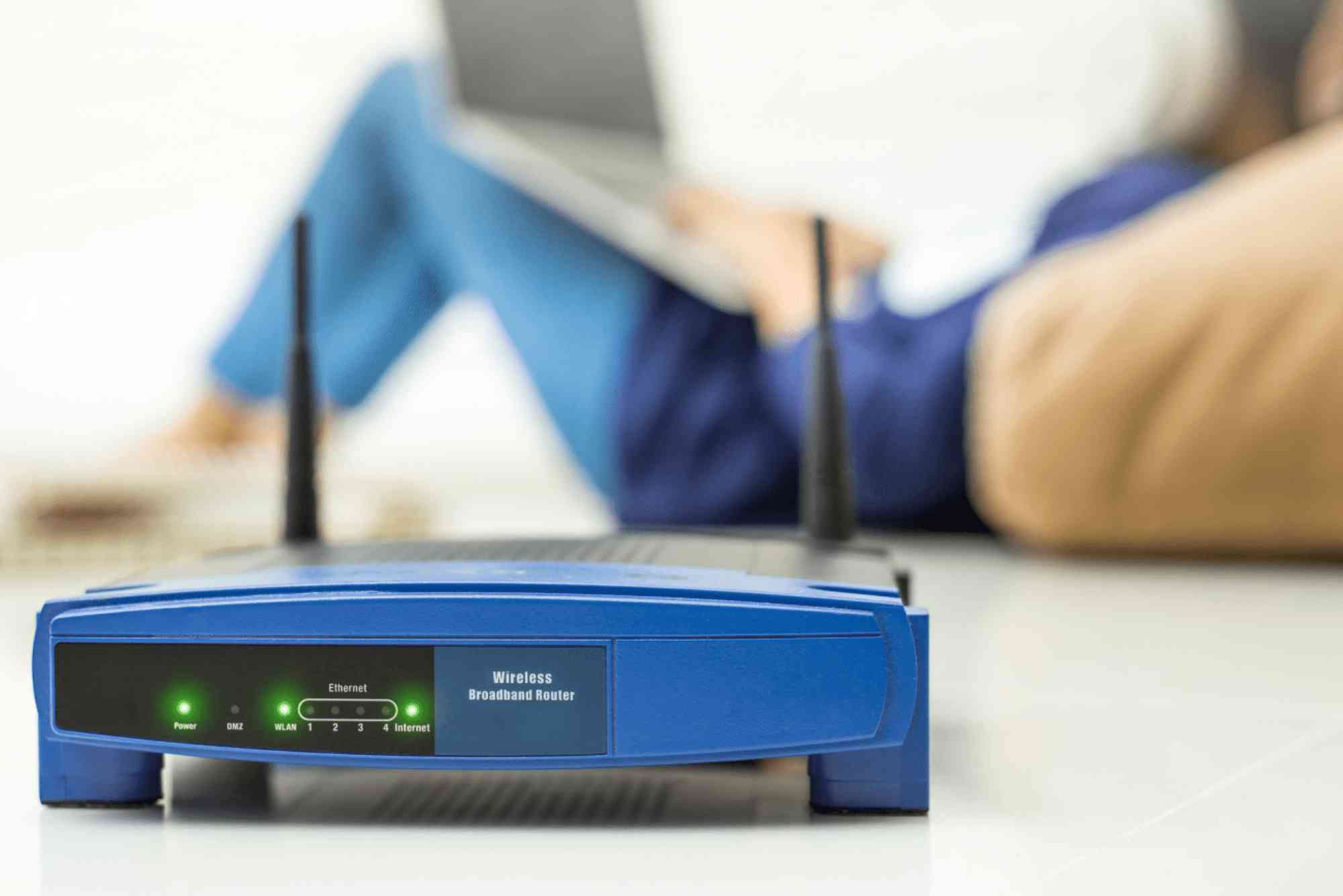
Routers have limits to how many devices they can handle. If too many devices are connected, the router may drop connections randomly. Smart homes with multiple gadgets often face this issue.
Outdated Firmware or Drivers
Another reason a device disconnects from Wi-Fi randomly is outdated software. Routers need firmware updates to function properly, and devices need updated Wi-Fi drivers. Without updates, compatibility issues may arise, causing sudden disconnections.
Interference from Other Devices
Microwaves, cordless phones, Bluetooth devices, and even neighboring Wi-Fi networks can interfere with your connection. This interference disrupts your device’s ability to maintain a stable link with the router.
Power Management Settings
Many devices have built-in power-saving features that turn off Wi-Fi to conserve battery. While this helps extend battery life, it can cause your device to disconnect from Wi-Fi randomly when idle.
ISP-Related Issues
Sometimes, the issue is not with your device or router but with your internet service provider. If the ISP is experiencing outages or network congestion, your device may disconnect from Wi-Fi frequently. A reliable provider like Dhanote Internet Services ensures consistent connectivity, reducing the chances of random disconnections.
How to Fix Wi-Fi Disconnection Issues
Once you know the possible reasons, you can try solutions tailored to your problem. Below are proven methods to fix Wi-Fi disconnections.
Improve Signal Strength
The first step is to improve your signal strength. Move closer to the router and reduce obstacles like walls and furniture. If your home is large, consider using Wi-Fi extenders or mesh systems to cover dead zones.
Restart Router and Device
A simple restart often solves the problem. Turn off your router and device, wait for a few seconds, and then turn them back on. This clears temporary glitches that may cause disconnections.
Update Router Firmware and Device Drivers
Check if your router has a pending firmware update. Manufacturers regularly release updates to improve performance and fix bugs. Similarly, update your device’s Wi-Fi drivers. Updated software ensures smoother compatibility between your device and the router.
Reduce Interference
If interference is an issue, try changing your Wi-Fi channel. Most routers allow you to select a less crowded channel through their settings. Also, keep your router away from microwaves, cordless phones, and other electronics that may disrupt the signal.
Adjust Power Management Settings
On laptops and mobile devices, check power management settings. Disable any feature that turns off Wi-Fi when idle. This ensures your device maintains a constant connection without interruption.
Limit Connected Devices
If too many devices are connected to your router, disconnect those not in use. Alternatively, upgrade to a router that supports more simultaneous connections. This reduces strain and prevents random disconnections.
Switch Between Frequency Bands
Modern routers offer both 2.4 GHz and 5 GHz bands. If your device disconnects frequently on one band, switch to the other. The 2.4 GHz band covers longer distances but is prone to interference, while 5 GHz provides faster speeds but has a shorter range.
Reset Network Settings
If none of the above works, reset your device’s network settings. This clears corrupted configurations that may cause frequent disconnections. Reconnect to Wi-Fi afterward and check if the problem is resolved.
Contact Your Internet Provider
If the problem persists, it may be on your provider’s end. Contact your ISP to report the issue. They can run diagnostics and resolve connectivity problems from their side. Choosing a reliable provider like Dhanote Internet Services ensures a more stable experience.
Preventing Future Wi-Fi Disconnections
Prevention is just as important as fixing the issue. By taking proactive steps, you can avoid random Wi-Fi disconnections in the future.
Place Your Router Strategically
Position your router in a central location, elevated from the floor, and free from obstructions. This ensures better signal distribution across your home.
Schedule Regular Reboots
Some routers slow down after extended uptime. Schedule automatic reboots once a week to keep your network fresh and stable.
Secure Your Wi-Fi
Unsecured Wi-Fi networks attract unauthorized users, which can overload your router and cause disconnections. Use a strong password and WPA3 security to protect your network.
Invest in Quality Equipment
Old routers often struggle to keep up with modern demands. If your router is more than five years old, consider upgrading to a new model with better performance and support for multiple devices.
Monitor Device Settings
Regularly check your devices for settings that may cause Wi-Fi to turn off automatically. Ensure background apps are not interfering with your connection.
When your device disconnects from Wi-Fi randomly, it can disrupt your productivity and entertainment. Fortunately, most issues have simple solutions. By improving signal strength, updating software, reducing interference, and adjusting settings, you can restore stability. If the problem persists, reaching out to a reliable provider like Dhanote Internet Services ensures professional support.
Don’t let Wi-Fi issues slow you down. Take action today to secure a stable, seamless internet connection and enjoy uninterrupted browsing, streaming, and work.
FAQs
Why does my phone keep disconnecting from Wi-Fi randomly?
Your phone may disconnect due to weak signal strength, outdated software, or power-saving settings. Updating your software and adjusting settings usually fixes it.
Why does my laptop disconnect from Wi-Fi every few minutes?
This often happens because of outdated drivers, interference, or power management settings. Updating drivers and disabling power-saving options usually helps.
Why does my smart TV disconnect from Wi-Fi randomly?
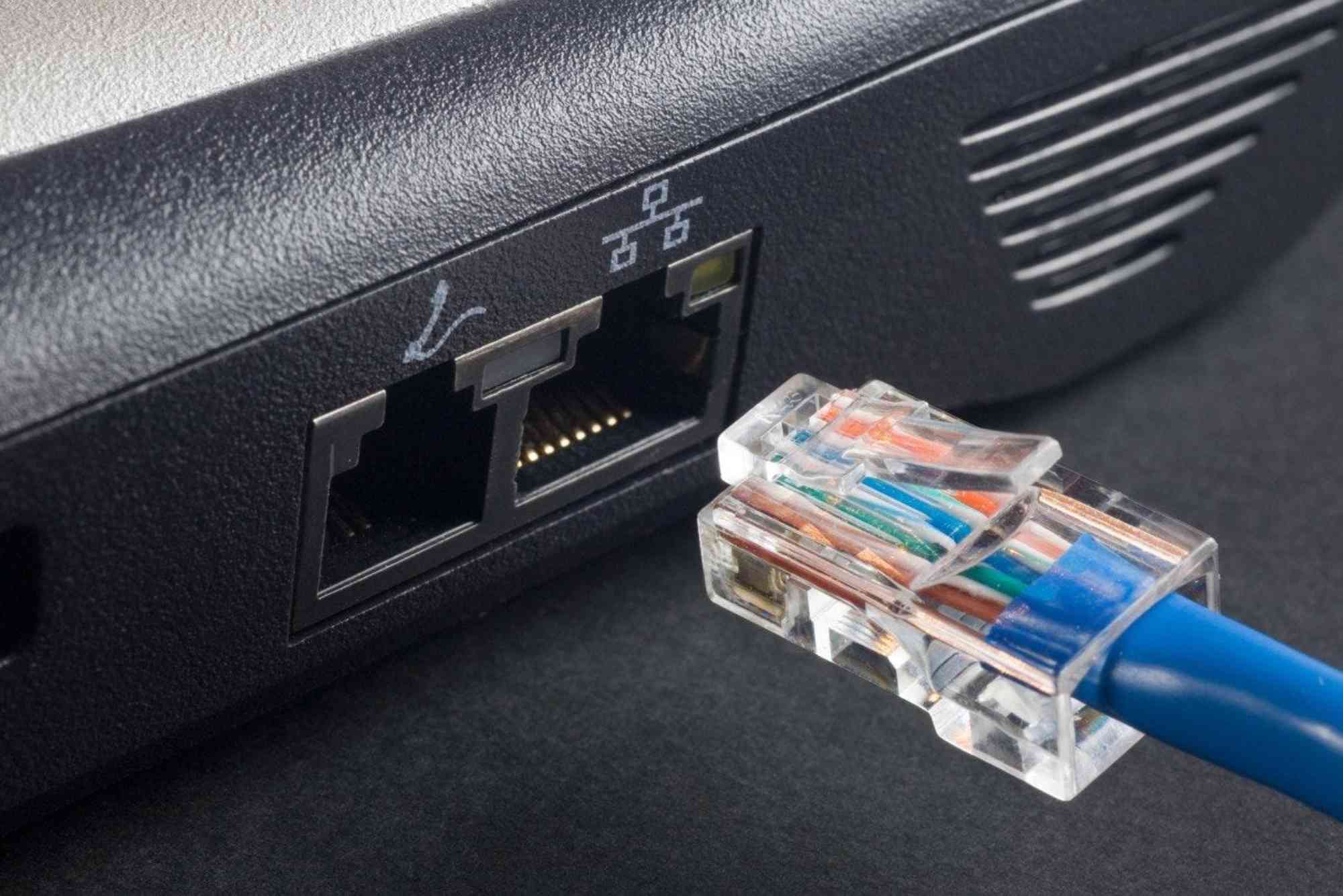
Smart TVs often disconnect if they are far from the router or if the router is overloaded. Placing the TV closer to the router or using a wired connection can fix the issue.
Why does my Wi-Fi disconnect at night?
Scheduled router reboots, interference from other devices, or ISP-related issues can cause nighttime disconnections. Check your router’s settings or contact your ISP.
Can too many devices cause Wi-Fi to disconnect?
Yes, too many devices can overload the router, leading to random disconnections. Limiting connections or upgrading your router helps.