Introduction
Resetting a router is often the first step in fixing Wi-Fi problems. However, sometimes a new issue appears — your device can’t connect after router reset. This situation can be frustrating, especially when you rely on a stable internet connection for work, streaming, or gaming.
In this guide, you’ll learn why devices may fail to reconnect after a reset and what steps you can take to solve the problem quickly. We’ll cover common causes, troubleshooting methods, and advanced fixes so you can get back online without stress.
Why Device Can’t Connect After Router Reset
When you reset your router, it reverts to default settings. This action clears your custom Wi-Fi name, password, and advanced configurations. Devices that were previously connected may not recognize the new setup.
Several issues could cause the problem:
-
Router reverting to factory settings
-
Wrong Wi-Fi password entered
-
Saved device settings conflicting with new network details
-
Firmware glitches after reset
-
ISP (Internet Service Provider) issues
-
Misconfigured DNS or IP settings
Understanding the root cause makes fixing the issue much easier.
First Steps to Fix Connection Problems
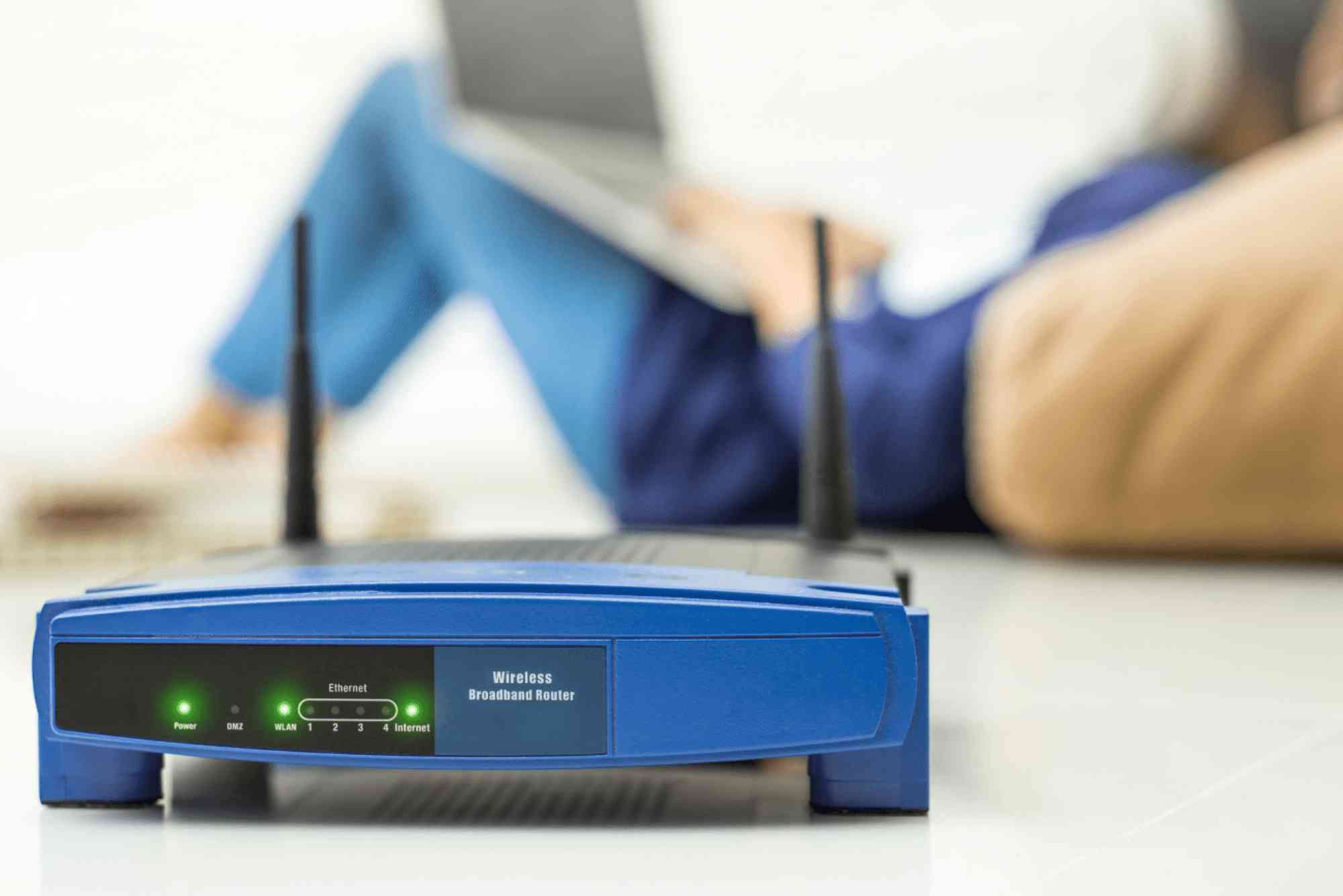
Check the Router’s Lights
Most routers display their status through lights. If the internet light is off or red, the problem may lie with your ISP. If the Wi-Fi light is blinking normally, the router is broadcasting but devices cannot connect.
Reconnect With Default Credentials
After a reset, your router uses its default network name (SSID) and password. These details are usually printed on a sticker at the back or bottom of the router. Try connecting with these credentials before making any changes.
Forget the Old Network on Your Device
Devices may still try to connect using the old network name and password. Go into your phone, tablet, or laptop’s Wi-Fi settings and select “Forget this network.” Then, reconnect using the updated details.
Common Fixes When Device Can’t Connect After Router Reset
Update Your Router Settings
Log in to your router’s admin panel by entering its IP address (commonly 192.168.0.1 or 192.168.1.1) in a web browser. Set a custom Wi-Fi name and password. Save the changes and reconnect devices with the new details.
Restart Your Device and Router
Sometimes, temporary glitches prevent a device from connecting. Restart both the router and your device. Allow the router a full two minutes to reboot before trying again.
Check Device Compatibility
Older devices may struggle with modern Wi-Fi standards such as 5GHz networks. If your device doesn’t see the Wi-Fi name, log in to your router and enable 2.4GHz Wi-Fi along with 5GHz for broader compatibility.
Reconfigure Security Settings
Some devices cannot connect if the router uses advanced encryption such as WPA3. Try switching the Wi-Fi security setting to WPA2 for better compatibility.
Advanced Fixes for Persistent Issues
Update Router Firmware
Outdated firmware can cause connection issues after a reset. Visit your router manufacturer’s website or log in to the admin panel to check for firmware updates. Install them to ensure smoother performance.
Assign Static IP to Your Device
If your device still can’t connect, try setting a static IP address instead of relying on automatic assignment. Go to your device’s network settings, choose “Manual” or “Static,” and enter an IP address within your router’s range.
Change Wireless Channel
Interference from nearby networks may prevent stable connections. Inside the router settings, change the wireless channel to a less crowded one. Channels 1, 6, or 11 usually work best for 2.4GHz networks.
Reset Your Device’s Network Settings
If all else fails, reset your phone or laptop’s network settings. This action clears saved Wi-Fi networks, VPNs, and other configurations that may interfere with the new router setup.
When the Problem Is With Your ISP
If your router reset seems successful but you still can’t access the internet, the issue may not be your device at all. Contact your ISP to check for service outages. Sometimes, routers need re-activation after a full reset.
For reliable and fast internet support, providers like Dhanote Internet Services offer excellent customer service and can walk you through troubleshooting steps remotely.
Preventing Future Connection Issues
Once you fix the problem, take steps to avoid repeating it in the future:
-
Write down your new Wi-Fi name and password after reconfiguration
-
Keep your router firmware updated
-
Place your router in a central, open location for better coverage
-
Regularly restart your router to prevent slowdowns
-
Use a UPS (uninterruptible power supply) to avoid resets during power cuts
FAQs
Why won’t my phone connect to Wi-Fi after router reset?
Your phone may still be trying to use old login credentials. Forget the network in your phone’s settings and reconnect using the default or updated password.
How do I fix Wi-Fi authentication errors after router reset?
Go to your device’s Wi-Fi settings, select the network, and tap “Forget.” Then, reconnect using the correct password displayed on the router.
Why does my laptop say “Can’t connect to this network” after reset?
This error often means mismatched security settings. Check if your router uses WPA2 or WPA3 and switch if necessary.
Should I reset my router often to fix internet problems?
No, resetting should only be a last resort. Restarting the router usually fixes temporary issues without wiping your saved settings.
What happens if I reset my router too many times?
Frequent resets can shorten hardware lifespan and may confuse your ISP’s system. Instead, use reboots or firmware updates for ongoing issues.
When your device can’t connect after router reset, it’s usually due to default settings, password mismatches, or compatibility issues. By checking your router’s lights, updating settings, and troubleshooting step by step, you can usually restore connectivity quickly.
If the problem continues, contact your ISP for support. Reliable providers like Dhanote Internet Services ensure you’re never offline for long.