How to Fix Cable Internet Modem Not Working
If your cable internet modem not working has left you disconnected, you’re not alone. Many users face modem issues that cause slow speeds, dropped connections, or complete outages. Since the modem acts as the gateway between your home and your internet provider, even small problems can disrupt your entire online experience. Fortunately, most modem issues can be solved at home with the right troubleshooting steps. This guide explains how to identify the cause, apply proven fixes, and ensure your connection stays stable.
Understanding Why Cable Modems Stop Working
Before diving into solutions, it helps to understand the common causes behind a cable internet modem not working. Sometimes the issue lies with the modem hardware itself, while other times the problem is related to your internet service provider (ISP) or even your home wiring. By breaking down the most likely causes, you can approach troubleshooting with confidence.
Common Causes of Cable Modem Problems
One of the most common reasons for a cable modem not working is simple connectivity failure. Loose coaxial cables, damaged Ethernet wires, or poorly seated connections can all interrupt service. Power-related issues are another frequent culprit. If the modem is not receiving enough power, it may reboot continuously or fail to function entirely.
Another widespread problem is outdated firmware. Internet providers often push firmware updates to modems, but if yours misses an update, it may struggle to connect properly. Similarly, overheating modems can cause intermittent drops, especially if the modem is placed in a confined space with poor ventilation. Finally, service outages from your provider can mimic modem issues. In such cases, no amount of troubleshooting will help until the outage is resolved.
Steps to Fix a Cable Internet Modem Not Working
The good news is that many modem issues can be fixed with simple steps at home. Let’s explore the most effective methods to get your connection back.
Restart Your Modem
The classic “turn it off and on again” solution often works wonders. Unplug your modem from the power outlet, wait 30 seconds, and plug it back in. This clears the cache, resets temporary errors, and forces the modem to reconnect with your ISP. If your modem has a separate reset button, hold it for 10 seconds to perform a deeper reset.
Check Cable Connections
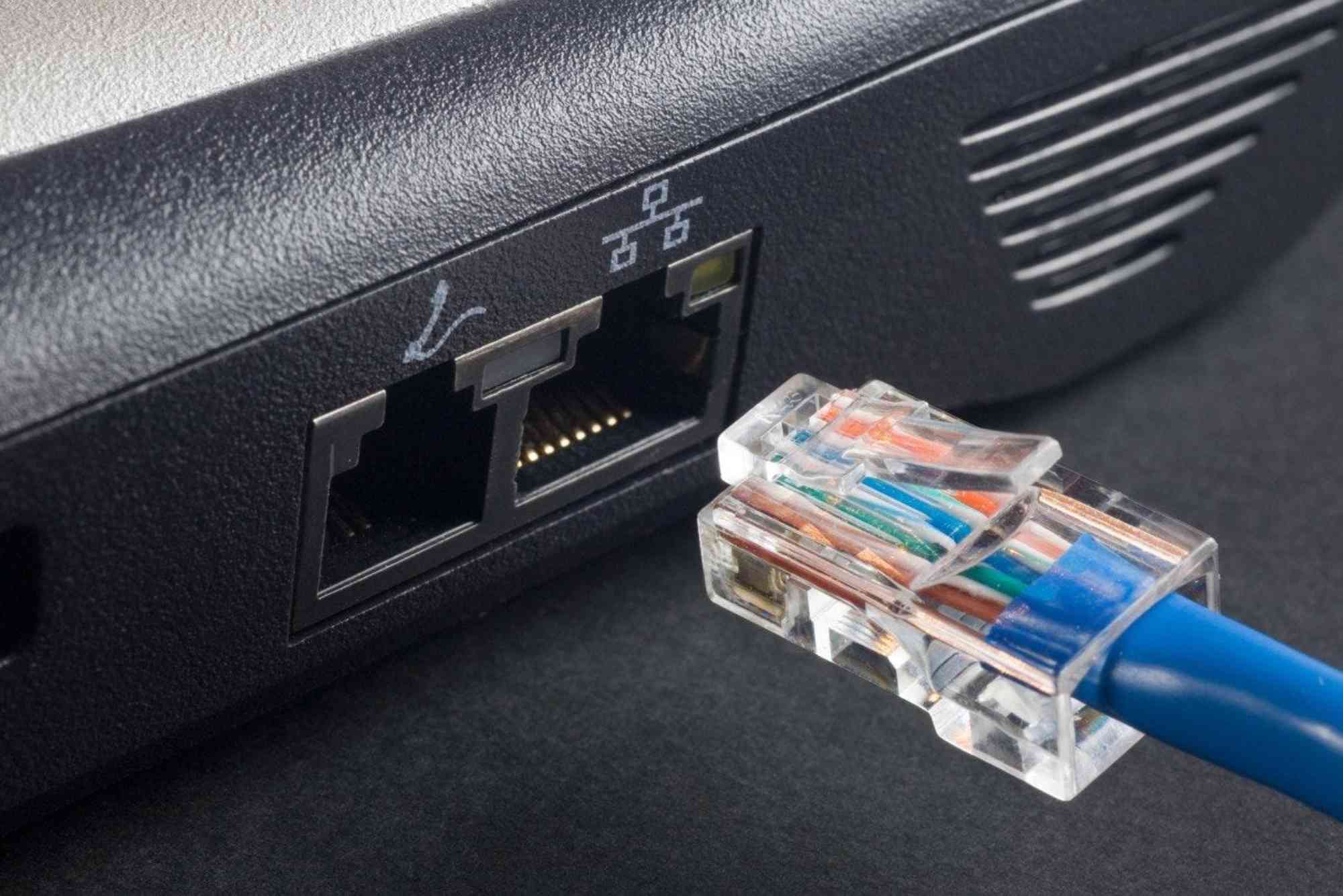
Inspect the coaxial cable running from the wall to your modem. Ensure it is tightly secured and undamaged. Replace the cable if it looks worn or bent. Also check Ethernet cables connected to your router or computer. A single faulty cable can make it seem like the entire modem is not working.
Ensure Proper Power Supply
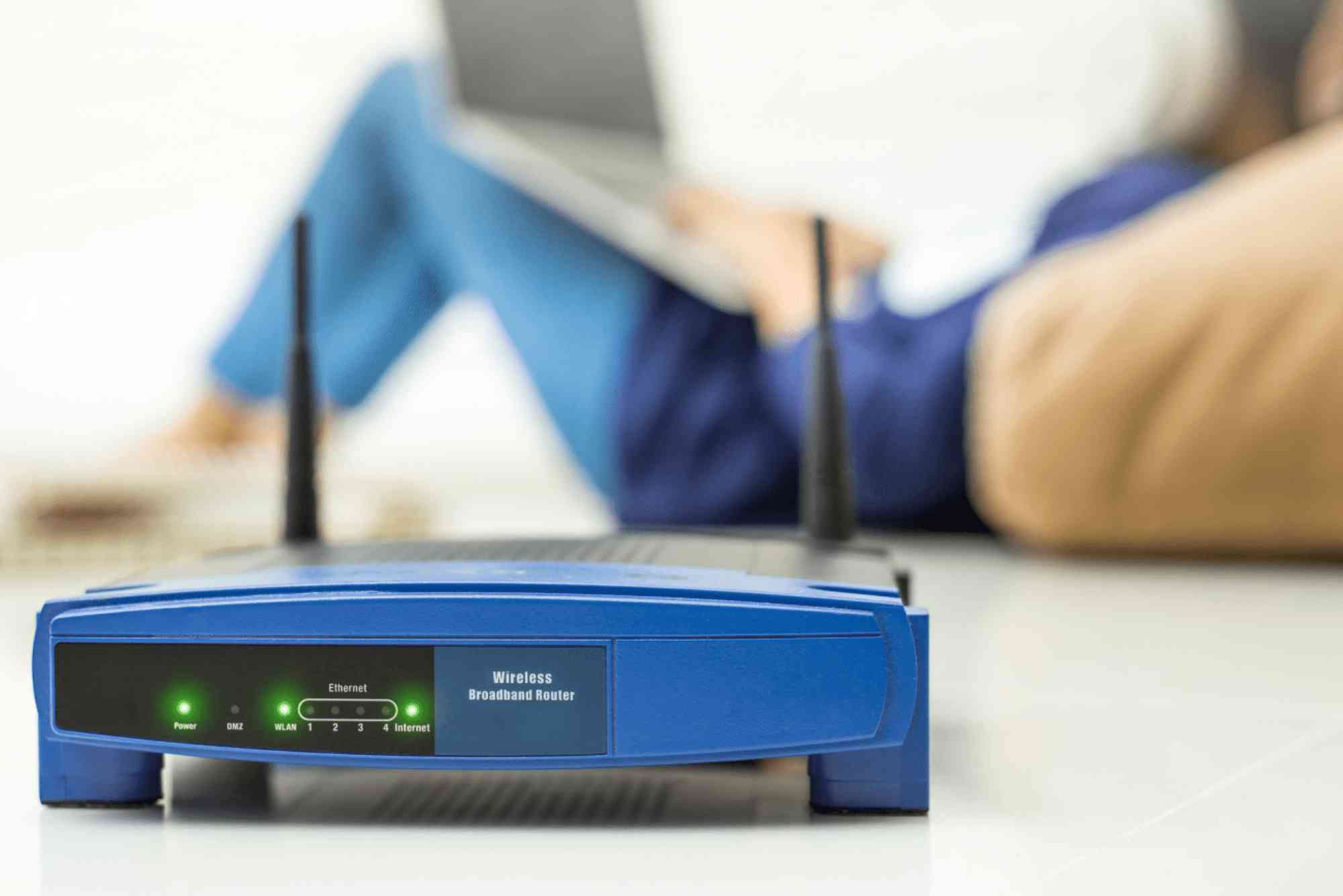
A modem without stable power cannot function properly. Plug your modem directly into a wall outlet instead of using an overloaded power strip. Look for blinking or unusual light patterns on the modem—these often indicate power or connection issues.
Confirm Service Status with Your Provider
Sometimes the issue is beyond your control. Visit your ISP’s website or call their support line to check for outages. Many providers also offer mobile apps that show real-time service updates. If an outage is ongoing, all you can do is wait.
Update Firmware
If your modem is user-owned rather than provided by your ISP, it may require manual firmware updates. Visit the manufacturer’s website and follow instructions to update. Keeping your firmware current improves stability and ensures compatibility with your provider’s network.
Relocate Your Modem
Overheating is a hidden cause of many modem issues. Place your modem in an open, ventilated area away from direct sunlight or other electronics that generate heat. If the modem feels hot to the touch, let it cool before restarting.
Reset to Factory Settings
If other methods fail, a full factory reset may be required. Locate the reset button, usually a small pinhole on the back of the modem. Press and hold it with a paperclip for about 15 seconds. This restores the modem to its original settings. Note that you may need to reconfigure login details or Wi-Fi settings afterward.
When to Replace Your Cable Internet Modem
Sometimes, no amount of troubleshooting can fix a failing modem. Hardware naturally degrades over time, and most modems last about 4–6 years. If your modem frequently drops connections, takes too long to boot up, or fails to maintain stable speeds, replacement is the best option.
Your ISP may provide a compatible modem at little or no cost. However, purchasing your own modem often saves money long-term, as it eliminates rental fees. When choosing a new modem, ensure it supports DOCSIS 3.1 or higher for maximum compatibility and speed.
Preventing Future Modem Issues
Preventative steps can save you from the frustration of dealing with a cable internet modem not working again. Regularly inspect your cables, keep your modem in a cool space, and schedule occasional reboots to refresh the connection. Keeping your device updated and avoiding power surges also reduces risks.
Another smart strategy is to invest in a backup modem or router, especially if your household depends heavily on internet access for work or school. That way, downtime is minimized even during unexpected failures.
Restoring a Reliable Connection
Experiencing a cable internet modem not working can be frustrating, but most issues are straightforward to fix. From simple restarts to checking cables and updating firmware, these steps restore service in minutes. If all else fails, replacing an outdated modem ensures stable, long-term performance.
A reliable internet connection is essential for work, learning, and entertainment. Taking time to understand how your modem works empowers you to handle problems quickly and with less stress. If you’re looking for dependable connectivity and professional solutions, explore Dhanote Internet Services for high-quality internet support.
FAQs
Why is my cable modem not connecting to the internet?
Your modem may not connect due to loose cables, power problems, outdated firmware, or ISP outages. Checking these factors usually solves the issue.
How do I know if my modem is broken?
Signs of a broken modem include frequent disconnections, unusual blinking lights, overheating, or failure to power on even after troubleshooting.
Should I replace or reset my modem?
Start with resets and firmware updates. If problems persist despite multiple fixes, replacement is likely the best solution.
Can a router cause modem issues?
Yes, sometimes what seems like a modem issue is actually a router problem. Connect your computer directly to the modem with an Ethernet cable to test this.
How often should I restart my modem?
Restarting your modem once a month helps refresh the connection and can prevent common glitches.