How to Monitor Your Cable Internet Data Usage
In today’s digital world, keeping track of your internet usage is more important than ever. Streaming, gaming, and remote work can consume significant bandwidth. Without monitoring, you risk exceeding your data limits, resulting in extra charges or reduced speeds. This guide will teach you effective methods for cable internet data usage monitoring, helping you stay in control of your online activity.
Why Monitoring Your Cable Internet Data Usage Matters
Understand Your Data Limits
Most cable internet plans come with monthly data caps. Monitoring usage ensures you don’t exceed these limits, which can lead to slow speeds or additional fees. Knowing your consumption patterns helps you choose the right plan.
Optimize Your Internet Plan
By tracking usage, you can adjust your plan to match your needs. Heavy users may need unlimited data plans, while light users can save money by downgrading.
Prevent Surprises on Your Bill
Unexpected data overages can be frustrating. Regular monitoring prevents surprise charges and keeps your monthly bills predictable.
Methods for Cable Internet Data Usage Monitoring
Check Your ISP Dashboard
Most internet providers offer online dashboards where you can see your data usage in real time. Log into your account to:
-
Track daily and monthly consumption
-
View which devices use the most data
-
Receive alerts when you approach your limit
This is often the most accurate method for cable internet data usage monitoring.
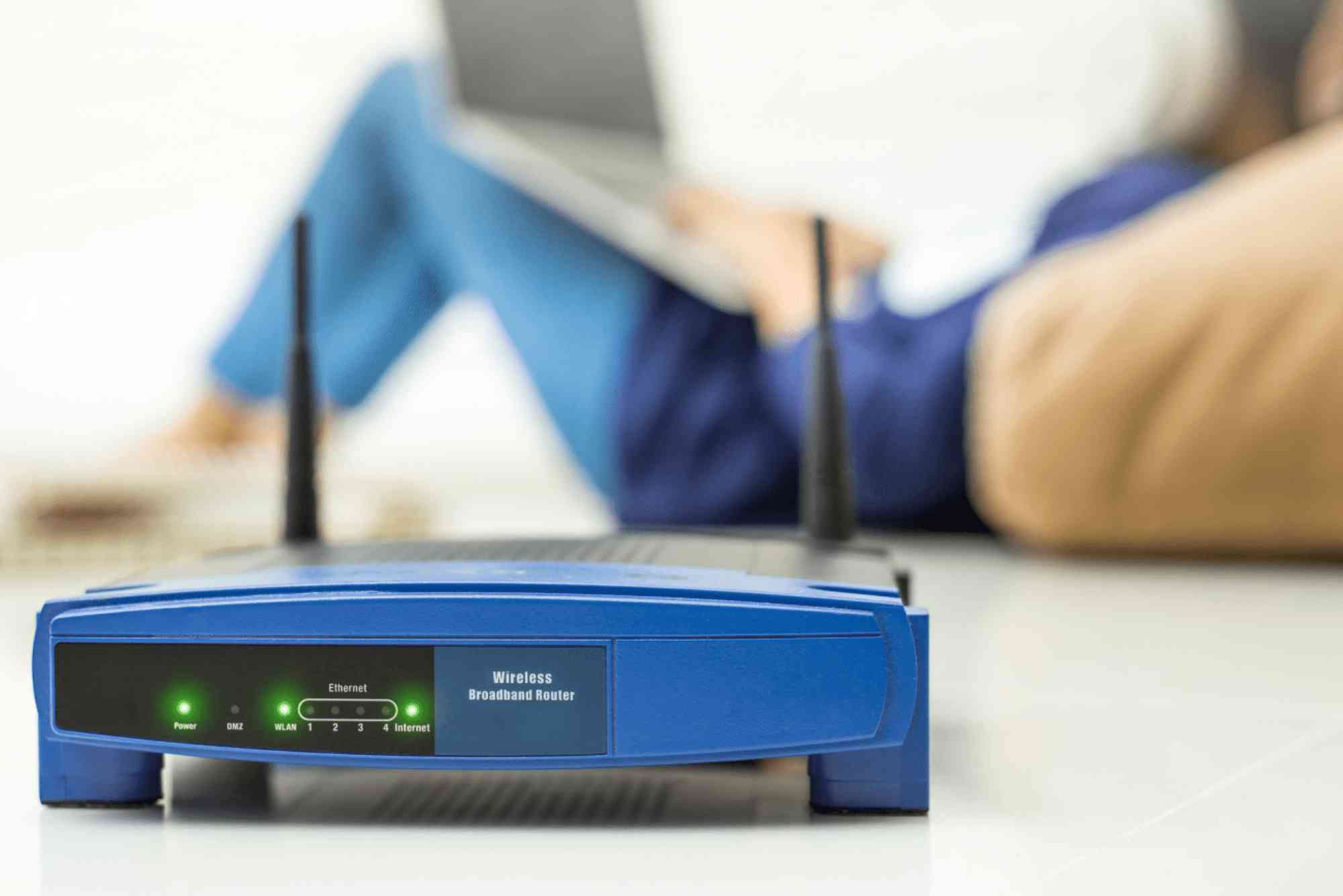
Use Router Statistics
Many modern routers come with built-in monitoring tools. These tools allow you to:
-
Track data per device
-
Set alerts for high usage
-
Schedule monitoring periods
Routers provide a clear picture of household internet activity, even without logging into your ISP account.
Employ Third-Party Software
Several apps and software programs can help you monitor internet usage:
-
GlassWire: Visualizes bandwidth usage by app and device
-
NetWorx: Tracks daily, weekly, and monthly consumption
-
BitMeter OS: Open-source tool for detailed monitoring
These tools offer more granular insight than ISP dashboards and are ideal for tech-savvy users.
Monitor Individual Devices
Smartphones, laptops, and tablets often have built-in data trackers. For instance:
-
Windows shows network usage per app
-
macOS offers Activity Monitor for bandwidth tracking
-
iOS and Android devices have native data usage settings
Checking individual devices helps pinpoint heavy data users in your household.
Tips to Reduce Data Consumption
Limit High-Bandwidth Activities
Streaming in HD or gaming online consumes large amounts of data. Lowering video quality or scheduling downloads during off-peak hours can save data.
Manage Background Apps
Many apps run in the background, using bandwidth silently. Disable automatic updates and background syncing to reduce unnecessary usage.
Use Data-Saving Modes
Services like YouTube, Netflix, and Spotify offer data-saving modes. Activating these features can significantly reduce monthly consumption.
Set Alerts and Notifications
Whether via your ISP or router, alerts notify you before hitting your data limit. This simple step helps prevent overage charges.
External Resources for Tracking Data Usage
For detailed insights, websites like FCC.gov provide tips on managing internet consumption and choosing the right plan. Tech blogs such as How-To Geek also offer guides on software and router-based monitoring.
Common Challenges in Cable Internet Data Usage Monitoring
Inconsistent Data Reporting
Sometimes, ISP dashboards may not update in real-time. Cross-referencing with router or software stats ensures accuracy.
Shared Household Usage
Multiple users can make tracking tricky. Assigning device-specific limits or monitoring tools can clarify who consumes the most data.
Misconfigured Devices
Old routers or unmonitored devices can skew usage numbers. Regularly update firmware and check devices for proper tracking.
FAQ: Cable Internet Data Usage Monitoring
How can I monitor my cable internet usage for free?
You can use your ISP’s online dashboard, your router’s built-in monitoring features, or free apps like BitMeter OS.
What happens if I exceed my cable data limit?
Exceeding your limit may slow down your speeds, incur extra charges, or temporarily suspend your service depending on your provider.
Can I track data usage on individual devices?
Yes. Most smartphones, tablets, and computers provide native data usage tracking, and many third-party apps offer detailed monitoring.
How often should I check my data usage?
Check weekly or set alerts to monitor real-time usage, ensuring you stay within your plan’s limits.
Are there ways to reduce internet data usage at home?
Yes. Reduce streaming quality, limit background app activity, enable data-saving modes, and schedule downloads for off-peak hours.
Monitoring your cable internet data usage is essential for avoiding overages, saving money, and optimizing your plan. Using a combination of ISP dashboards, router tools, and third-party apps makes tracking easy and accurate. By understanding your usage patterns, you can make smarter decisions about your internet consumption.
Take control of your internet today and ensure your household stays connected without surprises. For reliable service and additional tips, explore Dhanote Internet Services for expert guidance and support.