Introduction
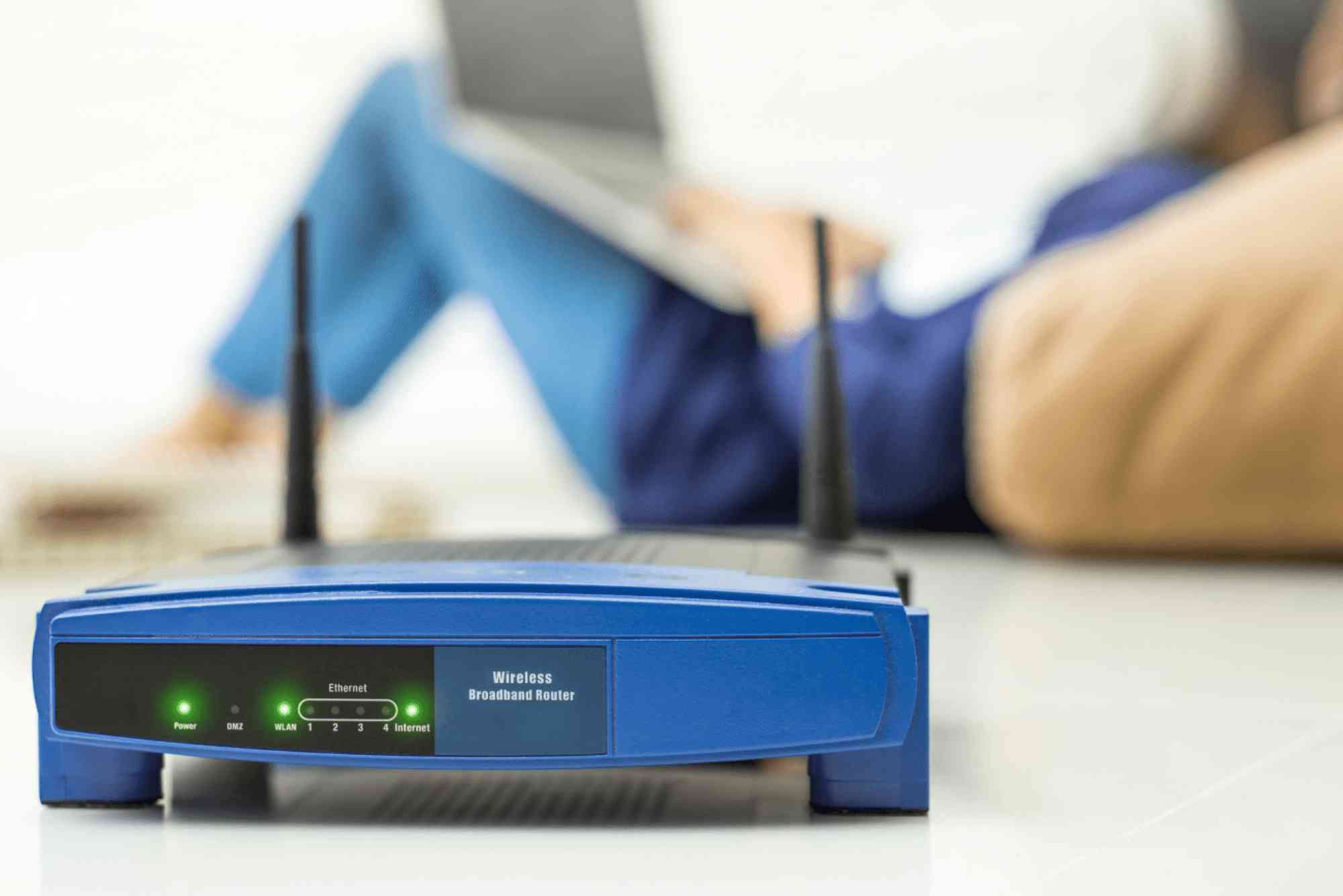
In today’s digital world, staying connected depends on a reliable internet setup. One critical factor people often overlook is cable internet and router compatibility. Even the fastest internet package can feel sluggish if your router cannot handle it. Choosing the right router for your cable internet provider ensures stable speeds, reduced latency, and consistent coverage throughout your home.
This guide will explain why compatibility matters, how to check if your router supports your internet service, and the best practices for achieving optimal performance. Whether you’re upgrading your home network or setting up internet for the first time, understanding cable internet and router compatibility can save you money, time, and frustration.
Why Cable Internet and Router Compatibility Matters
Compatibility between your cable internet service and router determines whether you can take full advantage of the speed you’re paying for. If your router is outdated or not supported by your internet provider, it may bottleneck performance. This means you’ll experience buffering, dropped connections, or slower speeds, even when your plan promises high bandwidth.
A compatible router ensures:
-
Efficient data transfer from the modem to your devices.
-
Strong Wi-Fi signals across multiple rooms.
-
Full utilization of your subscribed internet speed.
-
Fewer technical issues, reducing the need for frequent troubleshooting.
When both your internet service and router work in harmony, your online experience—whether streaming, gaming, or remote working—improves dramatically.
How Cable Internet Works with a Router
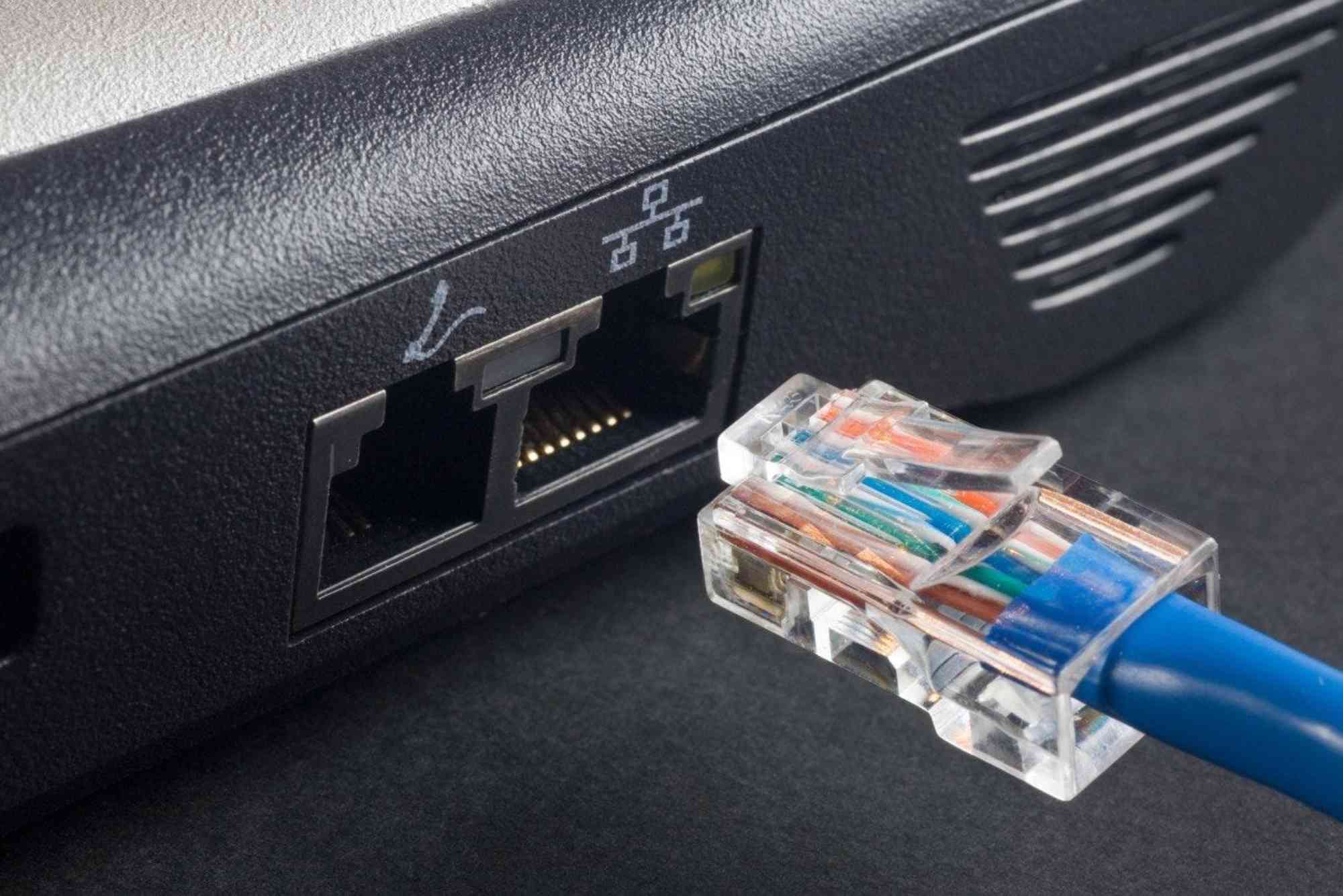
Cable internet uses coaxial cables, similar to those used for television services, to deliver internet signals to your home. These signals pass through a cable modem, which then connects to your router. The router distributes the internet connection to devices either through Ethernet cables or Wi-Fi.
For the system to function seamlessly:
-
The modem must support your internet provider’s network standards.
-
The router must handle the modem’s output speeds and distribute them effectively.
If either component is incompatible, your internet won’t perform at its full potential.
Factors That Affect Compatibility
Several factors determine whether your router will work well with your cable internet.
Modem-Router Connection
Not all routers connect easily with all modems. Some internet providers recommend or require specific models. Checking your provider’s approved device list ensures smooth operation.
Speed Capabilities
If you subscribe to a 1 Gbps plan but use an older router limited to 300 Mbps, you’ll never experience full speeds. Matching router capacity with your plan avoids wasted potential.
DOCSIS Standards
Cable internet providers typically use DOCSIS (Data Over Cable Service Interface Specification) technology. DOCSIS 3.0 and 3.1 are the most common. Your router must support the same standard as your modem to achieve optimal performance.
ISP Restrictions
Some providers lock compatibility to certain routers for security reasons. Always confirm with your ISP before purchasing a new device.
Wi-Fi Standards
Modern routers use Wi-Fi 5 (802.11ac) or Wi-Fi 6 (802.11ax) for faster speeds and better coverage. Outdated Wi-Fi standards may not keep up with modern internet demands, especially in multi-device households.
Signs Your Router May Not Be Compatible
Sometimes, incompatibility issues show up subtly. Watch for these common warning signs:
-
Internet speeds are significantly lower than advertised.
-
Frequent connection drops, especially during high usage.
-
Poor Wi-Fi coverage in different rooms.
-
Devices struggle to connect to the network.
-
Your provider suggests upgrading equipment for better performance.
If you notice these issues, your router may be limiting your internet service.
Choosing the Right Router for Cable Internet
Selecting the right router involves balancing performance, compatibility, and budget. Here are some steps to help:
Check ISP Recommendations
Most cable internet providers publish a list of approved routers. Choosing from this list guarantees compatibility and minimizes setup issues.
Match Your Internet Speed
If your plan offers 500 Mbps, pick a router capable of at least 1 Gbps to allow room for growth and avoid bottlenecks.
Consider Wi-Fi Coverage
Large homes may require mesh systems or routers with multiple antennas to cover every corner.
Future-Proofing
Opt for routers with the latest standards like Wi-Fi 6 to handle future device demands. This prevents the need for frequent upgrades.
Budget vs. Performance
High-end routers offer advanced features, but even mid-range models can provide excellent performance if they meet compatibility requirements.
Router and Modem Combos: Are They Worth It?
Some ISPs and manufacturers offer modem-router combo devices, which combine both functions into one unit. These can be convenient for smaller spaces, but they often lack flexibility and advanced features compared to separate devices.
If you want simplicity, combos are fine. However, if you prefer customization, stronger signals, and better performance, using separate devices is often the smarter choice.
Troubleshooting Compatibility Issues
Even with the right setup, issues may arise. If your internet is not performing as expected:
-
Restart Your Equipment – Power cycle the modem and router to refresh the connection.
-
Update Firmware – Ensure your router’s firmware is up to date for security and performance improvements.
-
Check Cables – Loose or damaged coaxial or Ethernet cables may cause disruptions.
-
Contact Your ISP – Ask if your router is fully supported or if upgrades are recommended.
For reliable local support, providers such as Dhanote Internet Services help customers choose the right equipment for their plans and ensure smooth setup.
Benefits of a Compatible Setup
When your cable internet and router are fully compatible, you’ll notice:
-
Faster downloads and smoother streaming.
-
Stable connections during video calls and online classes.
-
Better performance for gaming with lower latency.
-
Stronger Wi-Fi coverage across multiple devices.
-
Cost savings by avoiding unnecessary upgrades or technician visits.
Compatibility is not just about speed—it’s about achieving a seamless online lifestyle without interruptions.
FAQs
Do all routers work with cable internet?
No. Routers must be compatible with your modem and internet provider’s standards. Always check your ISP’s approved list before buying.
Can I use my own router instead of the one my ISP provides?
Yes, in most cases. Many users prefer personal routers for better performance and features. Confirm compatibility with your ISP first.
What happens if my router isn’t compatible?
You may experience slower speeds, frequent disconnections, or complete failure to connect. Upgrading to a supported router fixes these issues.
Is a Wi-Fi 6 router necessary for cable internet?
Not necessary, but recommended. Wi-Fi 6 offers faster speeds, better device handling, and future-proofing for modern internet usage.
Should I get a router-modem combo or separate devices?
Combos save space but often limit performance. Separate devices offer more flexibility, features, and stronger Wi-Fi coverage.
Your internet experience depends not only on the plan you choose but also on your equipment. Ensuring cable internet and router compatibility is the key to unlocking your connection’s full potential. By choosing the right router, checking compatibility with your ISP, and keeping firmware updated, you’ll enjoy seamless browsing, streaming, and working from home.