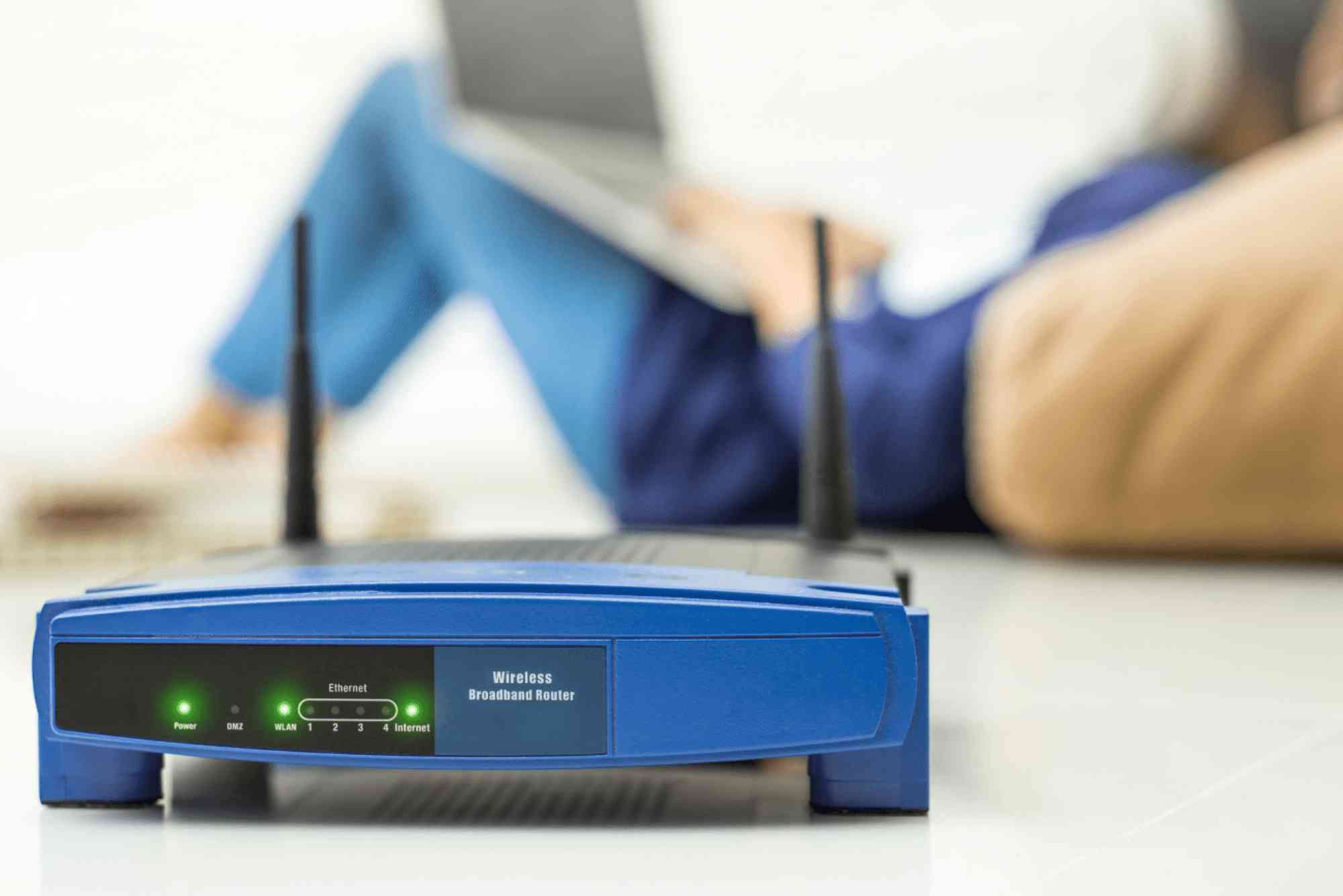
Best Wi-Fi Range Extenders for Large Homes in 2025
In 2025, home connectivity is more essential than ever. From streaming movies in 4K to hosting virtual meetings, every corner of your home needs a strong, reliable Wi-Fi signal. Unfortunately, large homes often face the challenge of dead zones and weak connections. That’s where the best Wi-Fi range extenders for large homes come in — ensuring fast, stable internet across all rooms, floors, and even outdoor spaces.
This guide explores the top Wi-Fi extenders in 2025, how they work, what features to look for, and how to choose the right one for your home setup.
Why You Need a Wi-Fi Range Extender in a Large Home
In large houses, Wi-Fi signals can weaken as they travel through walls, floors, and long distances. Even the most powerful router can struggle to cover multiple levels or extended outdoor areas.
Common Problems in Large Homes
-
Dead zones: Rooms or corners where Wi-Fi drops completely.
-
Weak connections: Slow speeds in certain areas.
-
Signal interference: Walls, furniture, and devices blocking the signal.
-
Limited router reach: A single router can’t handle long-range coverage.
Wi-Fi range extenders amplify and rebroadcast your existing network, effectively expanding its range without requiring a second router.
How Wi-Fi Range Extenders Work
Wi-Fi range extenders connect to your existing wireless router and duplicate the signal to cover weak spots. Most modern extenders use dual-band or tri-band technology, which helps maintain high speeds even at long distances.
Types of Wi-Fi Extenders
-
Plug-in extenders: Compact devices that plug directly into wall outlets — ideal for minimal setups.
-
Desktop extenders: Larger units with antennas for more powerful coverage.
-
Mesh systems: Multiple nodes that work together to create seamless whole-home coverage.
If your home exceeds 2,000 square feet, a mesh system may be more effective than a standard extender.
Best Wi-Fi Range Extenders for Large Homes in 2025
Let’s explore the best-performing models this year based on range, speed, reliability, and value.
Netgear Nighthawk EAX80 – Best Overall Performance
The Netgear Nighthawk EAX80 is a powerhouse for large homes. Supporting Wi-Fi 6 and offering speeds up to 6 Gbps, it eliminates dead zones with impressive efficiency.
Key Features:
-
Dual-band Wi-Fi 6 technology
-
Gigabit Ethernet ports for wired connections
-
Easy app-based setup and management
-
Coverage up to 2,500 sq. ft.
It’s ideal for homes with heavy internet usage, including 4K streaming, gaming, and smart home devices.
TP-Link RE715X – Best Value for Money
TP-Link continues to impress with reliable, affordable devices. The RE715X delivers Wi-Fi 6 coverage with fast speeds up to 3 Gbps and supports OneMesh for seamless roaming.
Key Features:
-
Dual-band Wi-Fi 6
-
Compact design
-
Compatible with most routers
-
Great value for large spaces
Perfect for families who want strong coverage without spending a fortune.
Linksys RE9000 – Best for Multi-Device Homes
For homes filled with smart devices, the Linksys RE9000 ensures uninterrupted performance. It’s built for multi-device environments and large homes with multiple users.
Key Features:
-
Tri-band Wi-Fi
-
MU-MIMO support for simultaneous device connections
-
Range up to 3,000 sq. ft.
-
Easy Linksys app setup
This extender is ideal for busy households with streaming, gaming, and work-from-home needs.
ASUS RP-AX58 – Best Design and Stability
The ASUS RP-AX58 balances performance and design. It supports Wi-Fi 6 and uses ASUS AiMesh technology for a seamless home network.
Key Features:
-
AiMesh support for flexible network setup
-
Strong signal stability
-
High data transfer speeds
-
Sleek design with wall-mount capability
It’s great for users who already own ASUS routers or want easy integration with an existing system.
D-Link Eagle Pro AI M32 – Smart Home Favorite
With built-in AI optimization, the D-Link Eagle Pro AI M32 learns your network usage and automatically improves performance where needed.
Key Features:
-
AI-enhanced signal management
-
Wi-Fi 6 speeds up to 3.2 Gbps
-
Mobile app for smart control
-
Excellent coverage for 3–4 bedroom homes
This smart extender adapts to your family’s routine, ensuring consistent coverage and speed.
How to Choose the Right Wi-Fi Range Extender
Selecting the best Wi-Fi range extender for large homes depends on your space, internet speed, and usage patterns.
Consider These Factors
-
Coverage area: Check the extender’s maximum range and compare it with your home size.
-
Speed compatibility: Match your extender’s speed with your router’s speed.
-
Wi-Fi standard: Wi-Fi 6 extenders offer better efficiency and performance.
-
Ease of setup: Choose one with a mobile app for quick installation.
-
Ethernet ports: For wired connections to gaming consoles or smart TVs.
If you’re using services like Dhanote Internet Services, a Wi-Fi extender can maximize your network’s reach and stability for every device.
Setup Tips for Maximum Coverage
Even the best extender won’t perform well if placed incorrectly.
Best Practices
-
Position the extender halfway between your router and the dead zone.
-
Avoid placing it near thick walls, metal, or electronic interference.
-
Keep firmware updated for better performance.
-
Use the same SSID (network name) for seamless roaming.
Correct placement can significantly enhance signal reach and consistency.
Mesh Wi-Fi vs Range Extender: Which Is Better for Large Homes?
Mesh Wi-Fi Systems
Mesh systems, such as Google Nest Wi-Fi or Eero Pro 6, consist of multiple nodes spread around the house. They create a single, unified network with seamless transitions between areas.
Pros:
-
Seamless coverage
-
No signal drops
-
Easy scalability
Cons:
-
Higher cost
-
More setup time
Range Extenders
Traditional extenders are cheaper and easier to install but may create separate networks, causing minor connectivity delays.
For homes larger than 3,000 sq. ft., a mesh system is usually a better choice.
FAQs – Best Wi-Fi Range Extenders for Large Homes
What is the difference between a Wi-Fi booster and a Wi-Fi extender?
A Wi-Fi booster and extender serve the same purpose — extending your network’s range. However, boosters often provide slightly better speed optimization.
Do Wi-Fi extenders reduce speed?
Yes, some extenders may slightly reduce speed due to signal rebroadcasting. Wi-Fi 6 models minimize this loss significantly.
How many Wi-Fi extenders do I need for a large home?
One extender typically covers 2,000–2,500 sq. ft. For multi-story homes, you may need two or a mesh system for full coverage.
Can I use a Wi-Fi extender with any router?
Most modern extenders are compatible with any router, but it’s best to check for Wi-Fi standard compatibility (Wi-Fi 5 or Wi-Fi 6).
Where should I place my Wi-Fi extender?
Place it within range of your router but close enough to the area with weak coverage — typically at a midway point.
The best Wi-Fi range extenders for large homes in 2025 offer faster speeds, wider coverage, and smart features to eliminate dead zones once and for all. Whether you choose a powerful extender like the Netgear Nighthawk or a smart solution like the D-Link Eagle Pro, the right device will transform your home’s connectivity.
Reliable Wi-Fi isn’t a luxury anymore — it’s essential. Strengthen your signal, connect your entire home, and experience uninterrupted internet performance today.
Ready to boost your home network? Explore top devices, compare features, and take the first step toward whole-home connectivity with confidence.