Best Wi-Fi Channels for 2.4 GHz Band to Avoid Interference
In today’s connected world, a reliable Wi-Fi connection is essential. The 2.4 GHz band remains widely used due to its range, but interference can reduce speed and stability. Choosing the best Wi-Fi channels for 2.4 GHz is crucial for a smooth online experience. In this guide, we’ll explore channel options, interference sources, and practical tips to optimize your network.
Understanding 2.4 GHz Wi-Fi Channels
How Channels Work
Wi-Fi routers transmit signals on specific channels. The 2.4 GHz band has 14 channels, but only some are commonly used depending on your region. Channels overlap, causing interference if multiple routers use nearby frequencies.
Why Interference Matters
Interference occurs when other networks, microwaves, or devices operate on the same frequency. This can lead to slower speeds, dropped connections, and buffering during streaming or gaming.
Identifying the Best Wi-Fi Channels for 2.4 GHz
Non-Overlapping Channels
The 2.4 GHz band has three primary non-overlapping channels: 1, 6, and 11. Choosing one of these channels reduces interference from nearby networks.
Channel Selection Tips
-
Analyze your surroundings – Use Wi-Fi analyzer apps to see which channels are crowded.
-
Choose a less busy channel – Avoid channels with multiple nearby networks.
-
Test performance – Switch channels and check your internet speed for improvements.
Avoiding Common Interference Sources
-
Microwaves: Operating on 2.4 GHz, they can disrupt Wi-Fi signals.
-
Cordless phones: Older models often share the 2.4 GHz band.
-
Bluetooth devices: These can create temporary interference.
Tools to Optimize Wi-Fi Channels
Wi-Fi Analyzer Apps
Applications like NetSpot, Wi-Fi Analyzer, and inSSIDer help identify which channels nearby networks use. This data ensures you select the best Wi-Fi channels for 2.4 GHz.
Router Settings
Most modern routers allow manual channel selection. Access your router settings via its IP address, usually 192.168.0.1 or 192.168.1.1, and switch to a less crowded channel.
Automatic Channel Selection
Some routers automatically pick the least crowded channel. While convenient, manual selection may still offer better performance in congested areas.
Enhancing 2.4 GHz Performance
Positioning Your Router
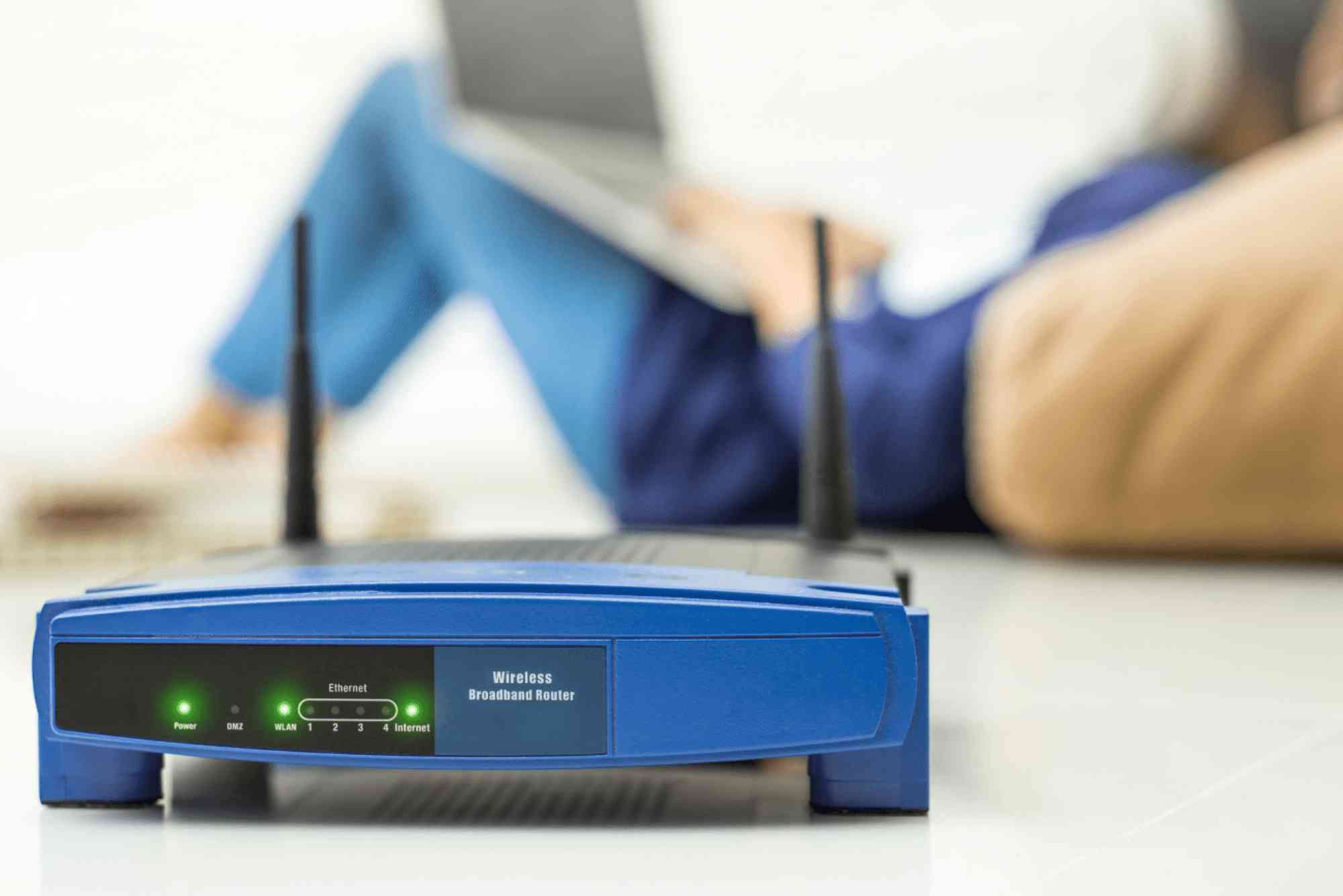
Place your router centrally, away from walls, metal objects, and electronic appliances. Height matters—higher placement reduces interference and improves coverage.
Upgrading Router Firmware
Manufacturers release firmware updates to enhance stability, security, and channel management. Keep your router firmware up to date.
Combining 2.4 GHz and 5 GHz Bands
Dual-band routers allow simultaneous use of 2.4 GHz and 5 GHz. Use 5 GHz for devices near the router, reserving 2.4 GHz for longer-range coverage.
Practical Scenarios for Optimal Channel Choice
Dense Urban Areas
Channels 1, 6, and 11 remain ideal, but analyzing surrounding networks ensures minimal overlap.
Home Environments
Even in small homes, interference from neighbors can occur. Testing channels ensures smooth streaming and online gaming.
Office Networks
Large offices benefit from Wi-Fi planning tools. Segmenting routers and access points reduces congestion on popular channels.
FAQs About 2.4 GHz Wi-Fi Channels
What is the fastest channel for 2.4 GHz Wi-Fi?
Channels 1, 6, and 11 are the best because they avoid overlapping interference. Speed also depends on congestion.
Can changing Wi-Fi channels improve speed?
Yes, selecting a less crowded channel reduces interference and increases connection stability.
How do I know which Wi-Fi channel is best?
Use a Wi-Fi analyzer app to check which channels nearby networks use and select a less crowded one.
Is 2.4 GHz or 5 GHz better for Wi-Fi?
2.4 GHz covers longer distances and penetrates walls better. 5 GHz offers higher speeds but shorter range.
How often should I change Wi-Fi channels?
Change channels when experiencing interference or slow speeds. Regular analysis ensures optimal performance.
Selecting the best Wi-Fi channels for 2.4 GHz is essential for stable, high-speed internet. By analyzing your environment, choosing non-overlapping channels, and adjusting router settings, you can reduce interference and improve connectivity.
For more advanced tips and reliable internet services, consider contacting trusted providers like Dhanote Internet Services. Taking control of your Wi-Fi setup today ensures a faster, smoother online experience.